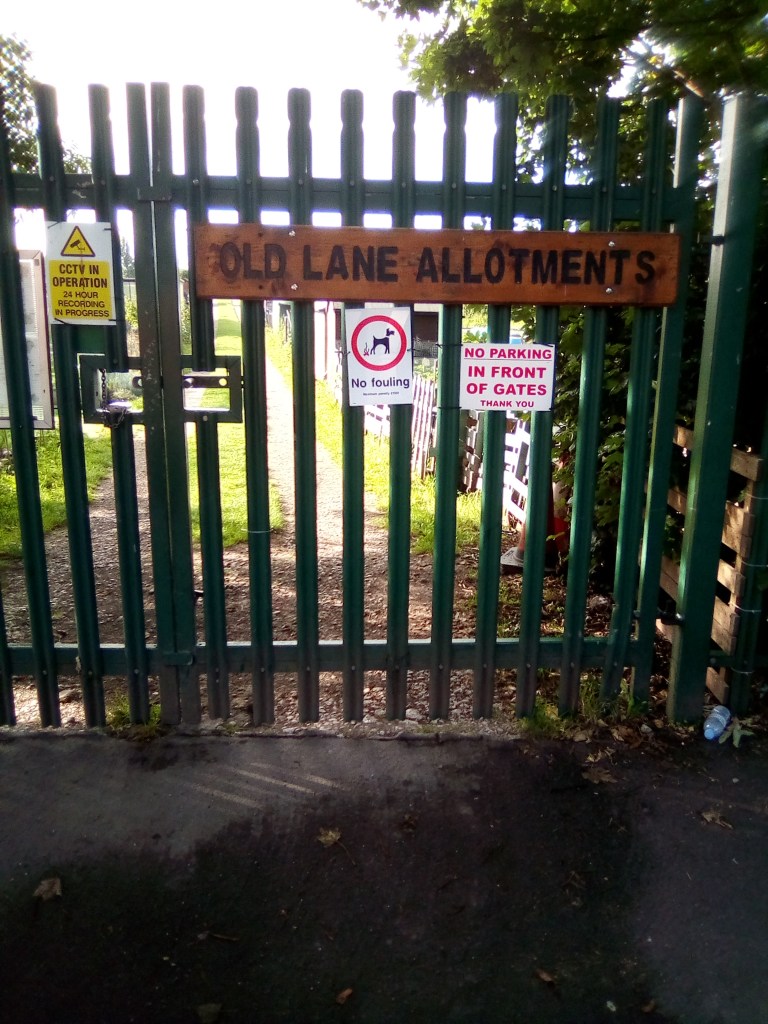
The Allotment Development – Part 2

The Development Of The Allotment – Part 2

  • 1975 An interest in self-sufficiency & the popular television show “The good life” caused a rise in interest in allotments in the 1970s.
  • 2002 Organic growing got a big boost as Monty Don took over presenting “gardeners world”
  •  Many people nowadays are determined to” grow their own”. The new allotmenteer is younger, and is usually female, than in times gone by.
  • Modern allotment & kitchen gardeners have found support from celebrity chefs , many who are happy to get their hands dirty in search of fresh organic edibles.
  • Even children are starting to “grow their own” with a number of local & national campaigns supporting in the development of school vegetable gardening clubs.

Blog & Research by Mark Burton (Allotment Secretary)

The Allotment Development


The Development Of The Allotment

  • AD410 in the Saxon times, communities cleared land together, sharing out ‘allotted land’ areas between themselves.
  • 1066 Following the Norman conquest , land ownership was confined to lords of the manor & the church.
  • 1600 During the reign of Elizabeth the first the first evidence of allotments is made, as land is given to the poor to compensate them for the enclosure of common land.
  • 1845 The general enclosure act included a requirement to provide land for allotments where common ground was enclosed.
  • 1887 The allotments & cottage gardens for compensation for crops act obliged local authorities to provide allotments, if there was a required demand.
  • 1907 the small holdings & allotment act clarified the responsibilities of local authorities to provide allotments.
  • 1914 Germanys blockade during the first world war led to an increased demand for allotments , although after the war it fell again.
  • 1939 The second world war , and its ‘DIG FOR VICTORY’ campaign brought allotments & gardening to the forefront of British life. The amount of allotments in the British Isles peaked at 1.5 million.
  • 1960 Disuse & development led to a decrease in allotments that were available.
                                             Blog & Research by Mark Burton (Allotment Secretary)

                                        To be Continued   ……


Vegetable Growing – July

July is one of the driest months so a lot of time may be spent watering your plot. Although the hectic sowing of the first part of the year is past, there are still things to sow, plant, and happily harvest. Those early potatoes should be coming out of the ground by the end of this month, and although they do not store as long as main crop varieties they will store before you finish eating them.

Leeks – Finish transplanting or “dibbing in” leeks raised in pots, modules, or temporary seed beds. They should be in their final position this month. If you have too many to transplant cut them up & put them in a stir fry instead of spring onions.

Peas & French Beans – This is your last chance for sowing or planting out peas & beans. any later the pods are unlikely to develop in time.

Root Vegetables – Sow your last batch of beetroot now. Late carrot & turnip varieties can still go in at the end of this month.

Other crops you can still sow – Radish, spring onion, Kale, Chinese cabbage, Lettuce, Spring cabbage, last chance to plant out any Brussels sprouts, winter cabbage, autumn cauliflowers you have been growing from seed.

Don’t forget to keep your onions weed free, summer thinning can be now done on apple, pear, plum trees etc. Keep the hoe in your hand & keep on top of those weeds.

Blog By Mark Burton (Allotment Secretary)


Transformation of our site office

These are some of the pictures that were taken when the committee painted the hut office.

I think you will all agree it looks transformed as the centre piece for the site. Thanks to everyone who was involved.

Blog created by Mark Burton (Allotment Secretary) Pictures taken by Steve Johnston

Anybody want a shed ?

Anyone interested in this shed please contact Hazel Spindley on plot 41E. I believe the shed is situated locally & it would involve some one dismantling the shed to move it on to site. Not sure of actual dimensions unfortunately.

Blog by Mark Burton (Allotment Secretary)
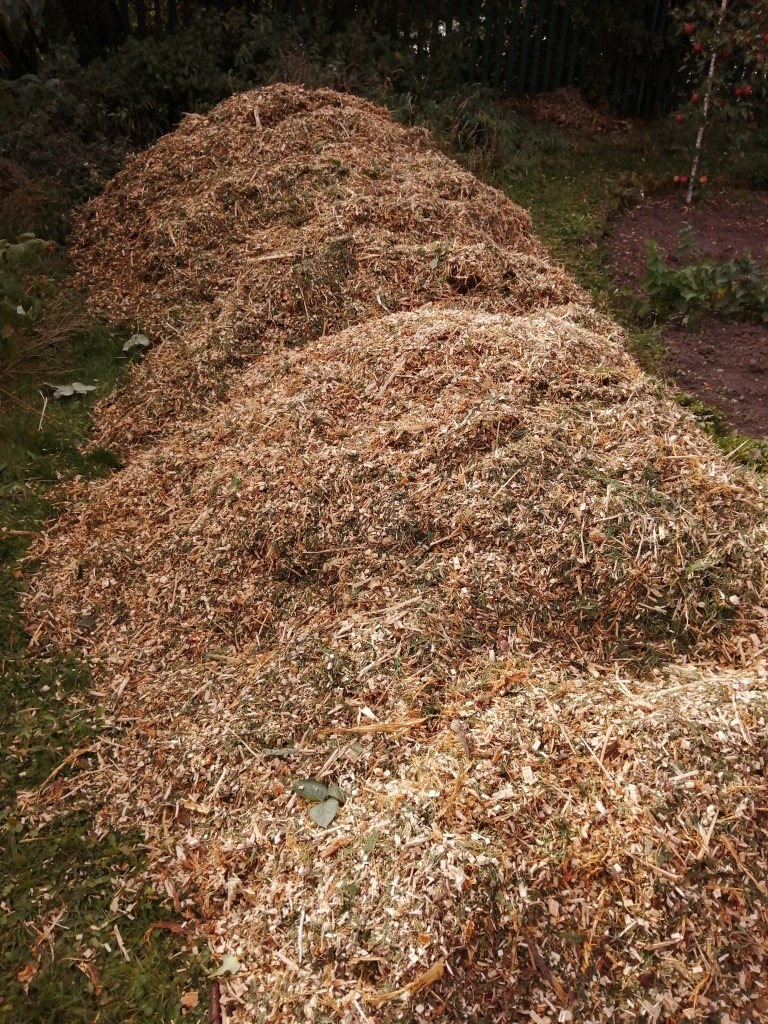
Compost & Composting

You don’t need a compost bin to make compost, you can simply make a compost heap. A compost bin makes your garden or allotment a lot tidier. Plastic compost bins are useful making good use of space. Ideally a compost bin sits on soil in a sunny position, as placing one in the shade takes the compost longer to form.

Hot Composting You construct the compost heap carefully with the right materials in even layers. You wait for it to heat up, then start to cool down , then you have to turn it to mix up the layers. And then do it all again, finally you can relax then let it mature for several weeks before use.

Cold Composting – Most people don’t have time to make a hot compost or they don’t have the right mix of materials. You can take a more relaxed approach with cold composting. You throw things in as & when you have them & let it decompose in its own time.

Things To Compost –  Compost breaks down because bacteria, fungi & mini beasts eat organic matter. They need a balanced diet of browns & greens (equal amounts by volume) .  Browns – Carbon Rich Materials – Twigs, dead leaves, cardboard, newspaper, straw, hay, wood shavings.  Greens – Full Of Nitrogen – Fresh leaves & stems, grass cuttings, vegetable peelings, Apple cores, tea leaves, coffee grounds, faeces from vegetarian animals. You can also add egg shells for calcium but crush them up first as they are slow to break down.

Blog By Mark Burton (Allotment Secretary)

Contact Details

pen writing notes studying

CONTACT DETAILS

DEAR PLOT MEMBERS

If anyone changes their address, mobile telephone numbers,

     or E mail  details,  please can you let the Secretary (Mark Burton) know as soon as possible. It is imperative that are records are correct for the site working alongside Leeds City Council.

OLD LANE ALLOTMENTS ASSOCIATION

Skip On Site

Just to let all our members know we have a builders skip arriving tomorrow Friday 25th June at 11.00 am for members to dispose of rubbish. Weeds e.t.c should composted. Wood can be burnt.

The skip will be collected Monday 28th June 11.00am

Blog Created by Mark Burton (Allotment Secretary)

Pests & Problems – Cabbage White Fly

The cabbage whitefly is a sap – feeding insect that can infest cabbage & other types of brassica plants. They are white winged insects that fly up in clouds when brassica leaves are disturbed. Cabbage whitefly can be very difficult to control, very much so on allotments where there are likely to be affected plants on neighbouring plots that will be a source of re-infestation. You will often see whitefly in mid Summer when the weather is warm. Due to whitefly feeding, plants will become weak, leaves will eventually wilt, turn pale or yellow & this in effect will stunt plant growth.

The best way to get rid of the dreaded whitefly is to blast them with your watering can, this will cause them to scatter,   If you are not wanting to use bug sprays or pesticides a simple remedy is to use washing up liquid and water,  a good squirt of liquid to a gallon of water should be enough. Using a sprayer only use in cooler temperatures early in the morning or later in the day.

It is nearly impossible to get rid of whitefly but using this method or bug sprays will allow you to keep on top of the problem.


Blog & Research by Mark Burton (Allotment Secretary)

Pest Problems & Protection – Carrot Root Fly

The carrot fly not only affects carrots but parsnips and even celery as well. The fly’s maggots cause the damage, killing seedlings and burrowing under the skin of mature plants, leaving brown tunnels behind. The fly’s produce two generations in a year and are active in April/May & July/August which almost ensures they can get at our crops. You can try sowing outside of these time frames in February,March,June,September, and October but its not an absolute guarantee that your crop will not suffer from carrot fly.

The fly is attracted by the smell of carrots & is most active during the day, so thinning, which bruises foliage and releases the scent, is best carried out later in the day. Inter-planting with stronger smelling onions is suppose to confuse the fly but evidence is mixed. Growing your carrots high in containers like half barrels in the ground could keep your crops out of reach. The best barrier to protect from carrot fly is to grow them under fleece, especially in the danger months. There are no chemicals available to amateur gardeners, but there are now more carrot fly resistant seeds being sold like ” Systan Flyaway” & “Resistafly” which could be your best option.

Blog & research by Mark Burton (Allotment Secretary) – Pictures Mick Cooper