Pest Problems & Protection – Carrot Root Fly

The carrot fly not only affects carrots but parsnips and even celery as well. The fly’s maggots cause the damage, killing seedlings and burrowing under the skin of mature plants, leaving brown tunnels behind. The fly’s produce two generations in a year and are active in April/May & July/August which almost ensures they can get at our crops. You can try sowing outside of these time frames in February,March,June,September, and October but its not an absolute guarantee that your crop will not suffer from carrot fly.

The fly is attracted by the smell of carrots & is most active during the day, so thinning, which bruises foliage and releases the scent, is best carried out later in the day. Inter-planting with stronger smelling onions is suppose to confuse the fly but evidence is mixed. Growing your carrots high in containers like half barrels in the ground could keep your crops out of reach. The best barrier to protect from carrot fly is to grow them under fleece, especially in the danger months. There are no chemicals available to amateur gardeners, but there are now more carrot fly resistant seeds being sold like ” Systan Flyaway” & “Resistafly” which could be your best option.

Blog & research by Mark Burton (Allotment Secretary) – Pictures Mick Cooper

Vegetable Growing – June

June is a very busy time on the allotment the nights should now be frost free, and daylight hours are longer which should give you plenty of time to get on with jobs that need doing. Now is the time to protect your strawberries by mulching around them with straw to keep mud splashes off, & keep birds of your precious ripening strawberries by cover your plants with netting.

Keeping on top of the weeds is still very important hoe between rows & let them dry out on top of the soil. Continue sowing beetroot, This is the last chance to sow main crop variety carrots that will be ready to harvest in September/October. Courgettes, Summer squash, & marrows if you don’t already have young plants you have raised in pots, you can sow the seed direct outside now the soil has warmed up. The beginning of June will be the last chance to grow main crop peas, towards the end of the month switch to early fast maturing peas which should be ready to harvest in September. Outdoor cucumbers are usually started off earlier in pots, but if you sow them direct this month they should give you a crop in August/September.

Sow Outdoors now – beetroot, broccoli, Carrots, French beans, kale, pumpkins & Winter squash, runner beans, swede, Swiss chard, turnips, radish, Spring onions, continue succession of salad leaves, cucumbers, herbs.

                                          Blog by Mark Burton (Allotment Secretary)

Criteria on Judging plots for this years competitions 2021

Dear Members,

Further information regarding this years Best Worked Plots competitions (includes best worked plots overall,  and best newcomer plot).  As last year all plots will be viewed over the course of the season and considered in light of the areas outlined below. From these viewings a shortlist of possible winners will be agreed. The scoring system will then be applied to this shortlist to assist the judges in making their final decision regarding winners and runners-up.

 1. Quality of crops (max 40 points) – Broad range of vegetables, fruit, herbs, flowers being grown (relative size of    plots will be taken into account).

2. Condition of the plot (max 35 points)  Plots should be weed free and the soil well cultivated. Paths and other areas should be weed free and tidy. Buildings should be in good condition.

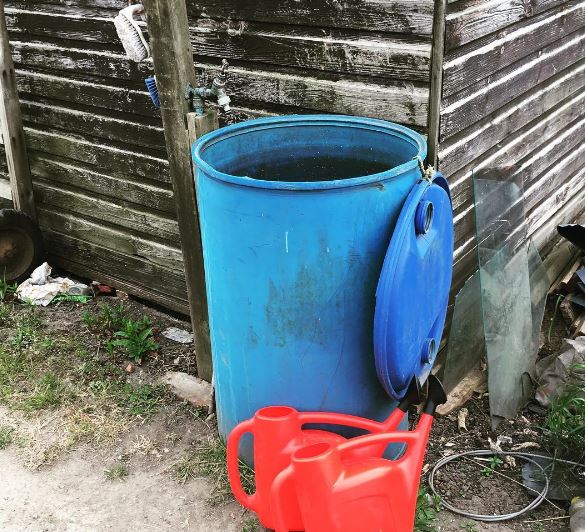
3. Environmentally friendly practices (max 10 points) Compost bins in use. Rainwater collection and planting designed to attract natural predators.

 4. Overall visual effect (max 5 points) Inclusion of attractive features such as hanging baskets, pots, benches alongside an attractive and interesting layout.

Winners will be announced  at the end of the growing season

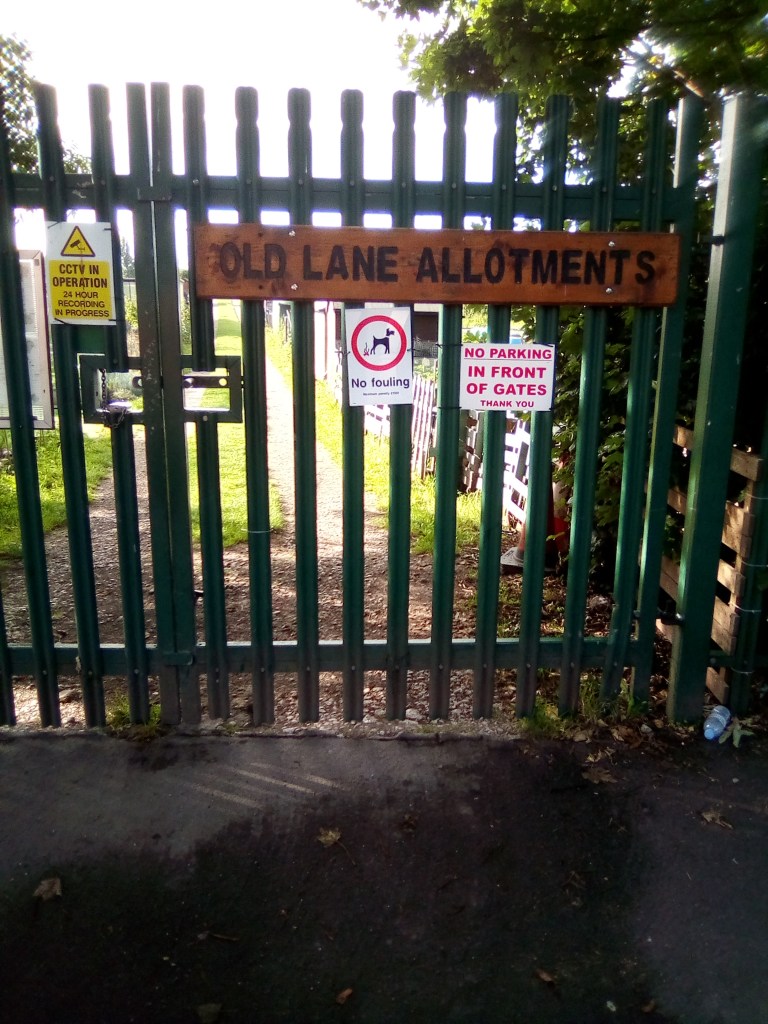
Old Lane Allotments Association

Plants Mean Prizes

Plants Mean Prizes

This year has been a strange growing season so far with restrictions & social distancing. We have decided to still proceed with the competitions that we have on site every year. Finest worked plot 1st & 2nd prize, also  finest newcomer to the site. Prizes will be announced later in the year.  Everyone has worked very hard on their plots so far this year under difficult circumstances. We have been lucky that we have been able to still enjoy  growing fruit & vegetables.


Blog created by Mark Burton (Allotment Secretary) For & on behalf of Old Lane Allotments Association.

Hosepipes

This is a gentle reminder to all plot holders that hose pipes are only to be used to fill water butts and not to be used direct for watering of plots.

This is to ensure we don’t receive huge water bills.

Old Lane Allotments

Committee

Tips To Keep Your Allotment Plot Healthy

Start with the soil, healthy soil leads to healthy growing plants with fewer problems. Follow a crop rotation (Even a simple one) to prevent a build up of pests & problems. Be vigilant most problems can be dealt with early. Keep plants healthy water when required , don’t overcrowd plants. Grow a wide variety of plants , big areas where you have one specific vegetable growing allows pests & diseases to find their host plants with ease.

Diseased plants should be thrown away not composted. When choosing plants & seeds look for disease resistant varieties. Pest & disease problems with plants vary from year to year so always try again sometimes the result’s can be different.  Attacks from pests & diseases can be demoralising for any gardener. You can however minimise the problems by looking after your soil & plants.

Blog by Mark Burton (Allotment Secretary)

Vegetable Growing – May

Lighter evenings means we get more time on our allotment plots & with temperatures rising in May we should see some really vibrant sunny days.  Watch out there is still a danger of frost even in May which will kill tender young plants. The soil should be warming up now so this is a time for some direct sowing of seeds but remember to stagger them to spread out your Harvests. Remember to harden off young plants this is where you gradually acclimatize the plants to outside temperatures & conditions over a two or three week period.

Continue to sow main-crop peas,  sow sweetcorn directly outside always sow in blocks rather than rows to ensure pollination. Root vegetables can now been sown outside carrots, beetroot, swedes, parsnips & turnips.

Sow outdoors under cover – beetroot, cucumbers, French beans, Runner beans, sweetcorn.

Sow Outdoors – Beetroot, Brussels sprout, Cabbages (Summer), carrots, cauliflower, French beans, kale, lettuce, oriental leaves, lettuce, radish, rocket, runner beans, spring onions,swede, salad leaves, broccoli, Swiss chard, spinach.

Sow Indoors – Cabbages Summer, autumn winter & red, chillies & peppers, pumpkins & winter squash, courgettes, kale, marrows, sprouting broccoli.

Herbs – Succession sow further small batches of seed such as basil, coriander,chervil, dill, parsley, sorrel – may need protecting still with covers or cloches.

You may need to earth up potatoes & keep that hoe going for the continual weeds.


Blog by Mark Burton (Allotment Secretary)


Hardening Off (Before Planting)

HARDENING OFF

Plants that have been raised indoors/greenhouses must be acclimatized to lower temperatures & wind before they are planted in the open . Harden them off in cloches or cold frames for 10 – 12 days. Increase ventilation gradually during the day & then at night , until the seedlings can be left out all the time before transplanting them to their final position togrow on

Blog By Mark Burton (Allotment Secretary)