Blog

SEED POTATOES – How To Plant & Harvest.

Planting potatoes

Plant your chitted potatoes when the soil starts to warm up, usually in mid- March to early April. Start by digging a trench 7.5 – 13cm (3-5 inch) deep, add a sprinkling of fertiliser to your trench before you begin planting. Plant early potatoes about 30cm (12 inch) apart with 40-50cm (16-20 inch) between the rows, second earlies & maincrops about 38cm (15 inch) apart with 75cm (30 inch) between the rows. Handle your chitted seed potatoes (tubers) with care, gently setting them in to the trench with the shoots pointing upwards, be really careful not to break the shoots. Cover the potatoes lightly with soil & fill in the trench. As soon as the shoots appear, earth up each plant by covering it with a ridge of soil so the shoots are just buried. You need to do this at regular intervals creating a small mound around the plant to prevent any sun damage or element damage.

Harvesting

Your home grown potatoes should be ready for lifting from June until September, depending on the varieties & the growing conditions. Earlies can be lifted & eaten as soon as they are ready, this will be when above -ground growth is still green,& usually as soon as the flowers open on the plant. Second & maincrop varieties can be kept in the ground much longer, until late September, even though above-ground growth may well be looking past its best. Two weeks before you lift the crop, cut the growth off the plants at ground level. This should give the skins of the potatoes sufficient time to toughen up, making them far less prone to damage from lifting and easier to store.

Blog written by Mark Burton (Allotment Secretary)


Pathways – Between Plots


Path ways between plots must be maintained


To All Plot Members

Just a reminder that pathways have to be clear for access. It is the responsibility of plot holders to keep the grass cut on adjacent paths between plots to keep the site well maintained.

Thank you

Old Lane Allotments Committee


Successional Sowing

SUCCESSIONAL SOWING

Successional sowing

It is easy to freeze are vegetable’s if we have a glut of crops. Fresh vegetable’s however that have been picked a few hours earlier & cooked always taste so much better. So to avoid growing a glut over the growing season we need to have smaller quantities ripening over a period. Say we are going to use a cabbage each week , take a modular seed tray & plant three seeds, label them with the variety & date. While they are developing pot on into three inch pots. Then three weeks later sow another three seeds as your first set of seeds are developing. Continue the process, that way you wont have too many of the same crop all ready at the same time.

This method can be applied to any crop that you have started in pots.

Blog By Mark Burton (Allotment Secretary)

Contact Details

pen writing notes studying

CONTACT DETAILS

DEAR PLOT MEMBERS

If anyone changes their address, mobile telephone numbers,

     or E mail  details,  please can you let the Secretary (Mark Burton) know as soon as possible. It is imperative that are records are correct for the site working alongside Leeds City Council.

OLD LANE ALLOTMENTS ASSOCIATION

How a chitted Seed Potato should be looking

 My good friend Mick Cooper sent me these two pictures which I will explain.  The seed potato on the left hand side has been left in a dark environment this showing that the growth is light in colour & also looks weak, and will continue to grow spindly.

The seed potato on the right hand side has been placed in a light frost free environment showing that the growth is dark & healthy.

You should have your seed potatoes chitting at the moment, check on them and see how there looking.


Blog created by Mark Burton (Allotment Secretary) / Content Mick Cooper Plot 12E

Hosepipes

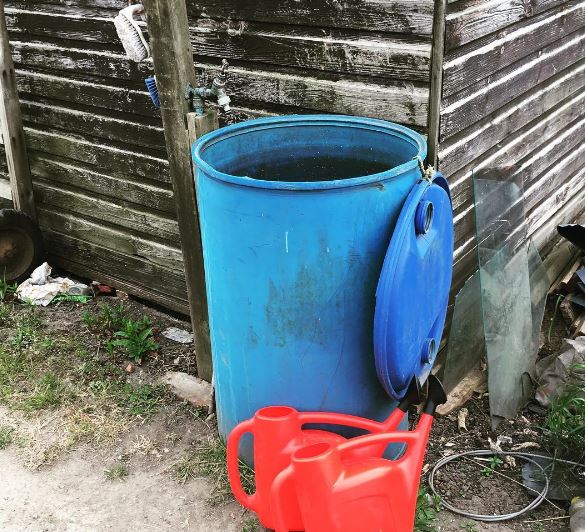
Hosepipes can only be used to fill up water barrels that you have on your plot. That strictly means hosepipes cant be used to direct water plants or land, it is forbidden on site. Anyone caught using a hosepipe other than filling up a water barrel will be in a strict breach of there tenancy agreement .

Thank You

Old Lane Allotments Association. (Blog created by Mark Burton – Site Secretary)

Garden Shears

We have  2 x sets of garden shears with extendable handles for trimming the grass  round the sides of your plot. We will loan them out to plot members on request all you need to do is ask a member of the committee. Pathways between plots are the responsibility of plot holders & part of allotment gardening, it is also written in our constitution of rules as part of plot maintenance.

Blog Created by Mark Burton (Allotment Secretary) For & On behalf of Old Lane Allotments Association

Opportunity to help with the running of the site.

We want to give members an oppurtunity to be involved with the running of the site. We have 7 committee officers at present who all work hard on a voluntary basis. We keep the site managed, & maintained to what we think is a very good standard. All are members work hard on their plots & the passion for allotment gardening is there for all to see. Our site is full going into the new growing season, with just over eighty members who occupy plots. We would welcome fresh input & ideas to continue improving the site. Anyone who has any questions about helping on the committee or wants a chat with one of the committee officers feel free to approach them when they are on site. Or E mail : oldlanelotts@gmail.com with any questions or queries.

Old Lane Allotments Association

SEED POTATOES – What to grow, and how to chit them ready for planting.

SEED POTATOES

WHAT TO GROW

There are dozens of different seed potato varieties you can buy, usually described as early, second early,  & maincrop potatoes. These names indicate when they crop and also give you an idea of the space you will need to plant them. You should concentrate on the earlier types if your short of  space, its worth mentioning that earlies are less likely to encounter pest problems as you can lift them much earlier in the year.

First earlies should be ready 10 weeks after planting, second earlies take 16 to 17 weeks to mature after planting, so you should be able to harvest them from very late June through to the start of August. Maincrop seed potatoes will be ready 18 to 20 weeks after planting, so they can be lifted from late August through to October. These varieties tend to be the best for storage.

CHITTING

Chitting simply means encouraging the seed potatoes to sprout before planting, you should start chitting in late February, about 6 weeks before you intend planting your potatoes. Each seed potato  has a number of eyes, stand the tubers (seed potatoes) in trays or old egg boxes, with plenty of natural light. The seed potatoes are ready to be planted out when the eye shoots are 1.5 – 2.5 centimetres long.

Blog created by Mark Burton (Allotment Secretary)

Fertilisers & Soil improvers ( N:P:K )

An Introduction to N:P:K

During the growing season plants absorb important nutrients & minerals from the soil, these need to be replaced if your plot is to maintain a high level of productivity. Most general purpose fertilisers have an N:P:K rating which relates to the three main elements needed for healthy plant growth. The higher the rating the more of that element exists within the fertiliser.

Nitrogen ( N )

Supports the growth of vegetable parts of plants, leaves & stems. Leafy vegetable’s  such as spinach, cabbage, lettuce, have a high nitrogen requirement. Lack of nitrogen causes poor, stunted growth with spindly stems with yellow & discoloured leaves. Nitrogen washes out of the soil so feeds need to be applied over the growing season.

Phosphorus ( P )

Stimulates seed germination & root development, increases stem strength & improves flower formation. Root vegetable’s need plenty of phosphorus to aid development. Lack of phosphorus causes poor, stunted growth, plants produce little or no flowers with a weak root system.

Potassium ( K )

Essential for flower & fruit development, also improves drought pest & disease resistance. Often referred to a “quality element” because of the importance to many of the features associated with quality, such as shape, size colour, & taste. Potatoes, fruit, & tomatoes need a high yield of potassium to crop well. Plants low in potassium are stunted in growth & provide lower yields. Excessive levels of potassium can lead to magnesium & calcium deficiencies. Minerals & also trace elements are important for good plant health, over time with each & every harvest, the soil is depleted of these vital ingredients & they also need replacing.

Blog & Research By Mark Burton (Allotment Secretary)