Blog

Crop Rotation – Part 2

How To Do Crop Rotation

Divide your allotment into equal sections of equal size (depending on how much of each crop you want to grow), plus an extra section for perennial crops such as rhubarb & asparagus. Brassicas : sprouts, cauliflower, cabbage, kale, kohl-rabbi , oriental greens, turnips, swede & radish. Legumes : Peas, broad beans, French & runner beans suffer from fewer soil problems & can be grown wherever. Onions : onions, garlic, shallot, leek. Potato Family : potato, tomato, (pepper & aubergine suffer from fewer problems & can be grown anywhere in the rotation).  Roots : beetroot, carrot, celeriac, fennel, parsley, parsnip. (& all other root crops except for turnip & swede which are brassicas). Move each section of the plot a step forward each year so that for example : brassicas follow legumes, onions & roots, legumes, onions & roots follow potatoes & potatoes follow brassicas. Below is a typical three rotation where potatoes & brassicas are important crops.

Year one section one : Potatoes  section two : Legumes, onions & roots, section three : brassicas.

Year two section one : Legumes, onions & roots, section two : brassicas, section three : potatoes

Year three section one : brassicas.   section two potatoes, section three : Legumes, onions & roots.

Blog & research By Mark Burton ( Allotment Secretary)

Crop Rotation – Part 1

Crop Rotation

Crop rotation is to grow specific groups of  vegetable’s on a different part of your allotment garden each year. This helps to reduce a build up of pests & diseases & it organises groups of crops according to their cultivation needs.

Benefits of crop rotation

Soil fertility : different crops have different nutrient requirements. Changing crops annualy reduces the chance of a particular soil deficiencies developing as the balance of nutrients removed from the soil evens itself out over time.  Weed control – Some crops like potatoes & squashes with dense foliage or large leaves, suppress weeds, thus reducing maintenance & weed problems in following crops. Pest & disease control : Soil pests & diseases will attack specific plant families over & over again. By rotating crops between sites the pests will decline in the period when their host plants are absent which helps reduce build of spores, eggs, & pests.  Common diseases like club root in brassicas & onion white rot can be avoided.

To be continued – crop rotation part 2 to follow

Blog & research By Mark Burton ( Allotment Secretary)

Slug Pellets – containing the ingredient Ferric Phosphate

Firstly can i apologise for the blog that was published today regarding slug & snail prevention, which might have confused are members. I wanted to clarify the use of slug pellets. Slug pellets that contain the ingredient FERRIC PHOSPHATE are safe to use on our allotments they are also blue in colour & are being sold at garden centres & stores.

Slug pellets containing the ingredient METALDEHYDE that you might have in your sheds & greenhouses now are completely band from use & sale.

Kind Regards Mark Burton (Allotment Secretary)

Slug & Snail Prevention

By far the worst pests to the vegetable grower is the slug & the snail, it doesn’t matter what you grow or where you grow it the slug is waiting to devour the crop before you do. They are not fussy eaters but they do prefer young seedlings. Below are some remedies for slug & snail prevention.

  1. A container half buried in the ground and half filled with beer. The slug is lured by the scent & tumbles to its death .
  2. Self adhesive copper tape around pots & planters deters the slug & snail & gives them a small electric shock when attempting to cross it.
  3. Eggs shells is an old favorite. to put around your vulnerable plants.
  4. Grit & gravel – the finely crushed horticultural grit makes a good barrier as it has sharp edges.
  5. Nut shells – the sharp edges make good barriers- around vulnerable plants.
  6. You can also trap them under grapefruit or orange skins the slug likes to hide away from predatory birds in the day time.
  7. Slug/snail pellets have had a bad press the theory being that the poisoned slugs will be eaten by birds, frogs, & other helpful creatures who feed upon slugs/snails & poison them in turn. The other concern is they might be eaten directly by pets. The pellets if used should be scattered thinly over an area not just dumped in piles. Piling them up is counter productive as they contain an attractant & so the slug will find each pellet. The pellets contain a repellent to discourage animals from eating them & the blue color repels birds as well.


Blog by Mark Burton (Allotment Secretary)

Pest Problems & Protection – Carrot Root Fly

The carrot fly not only affects carrots but parsnips and even celery as well. The fly’s maggots cause the damage, killing seedlings and burrowing under the skin of mature plants, leaving brown tunnels behind. The fly’s produce two generations in a year and are active in April/May & July/August which almost ensures they can get at our crops. You can try sowing outside of these time frames in February,March,June,September, and October but its not an absolute guarantee that your crop will not suffer from carrot fly.

The fly is attracted by the smell of carrots & is most active during the day, so thinning, which bruises foliage and releases the scent, is best carried out later in the day. Inter-planting with stronger smelling onions is suppose to confuse the fly but evidence is mixed. Growing your carrots high in containers like half barrels in the ground could keep your crops out of reach. The best barrier to protect from carrot fly is to grow them under fleece, especially in the danger months. There are no chemicals available to amateur gardeners, but there are now more carrot fly resistant seeds being sold like ” Systan Flyaway” & “Resistafly” which could be your best option.

Blog & research by Mark Burton (Allotment Secretary) – Pictures Mick Cooper

Lemon Tree Trust – UPDATE

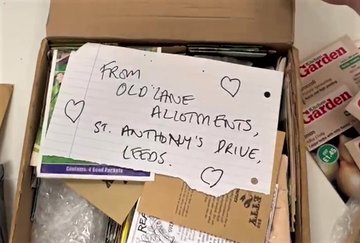
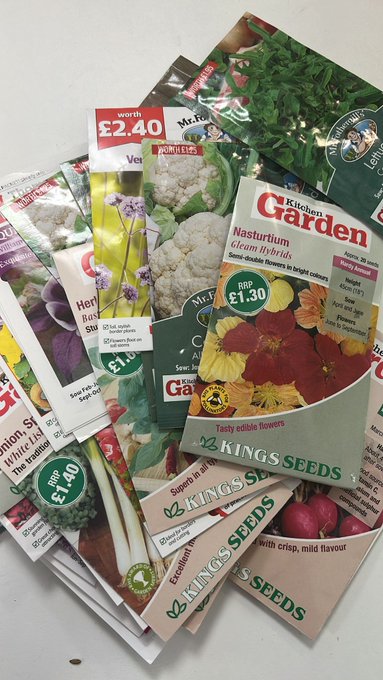
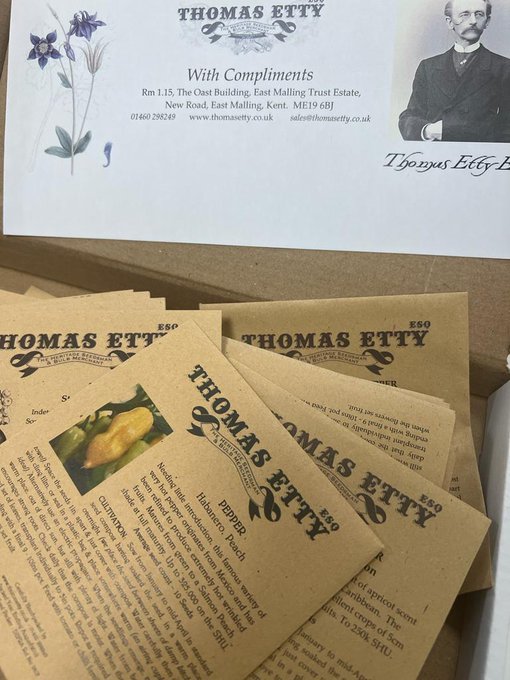
A Big thank You to everybody that donated seeds on Old Lane Allotments

Lemon Tree Trust

Massive thanks to

lucyajmooreat Old Lane Allotments and everyone else who has donated seed packets over the last few months. We have been overwhelmed by donations – and your generosity We’re still working our way through a backlog of parcels!

Blog created by Mark Burton (Allotment Secretary) Information From Lucy Moore plot 37N/8E

Pests & Problems – Cabbage White Fly

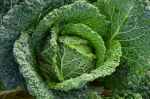
The cabbage whitefly is a sap – feeding insect that can infest cabbage & other types of brassica plants. They are white winged insects that fly up in clouds when brassica leaves are disturbed. Cabbage whitefly can be very difficult to control, very much so on allotments where there are likely to be affected plants on neighbouring plots that will be a source of re-infestation. You will often see whitefly in mid Summer when the weather is warm. Due to whitefly feeding, plants will become weak, leaves will eventually wilt, turn pale or yellow & this in effect will stunt plant growth.

The best way to get rid of the dreaded whitefly is to blast them with your watering can, this will cause them to scatter,   If you are not wanting to use bug sprays or pesticides a simple remedy is to use washing up liquid and water,  a good squirt of liquid to a gallon of water should be enough. Using a sprayer only use in cooler temperatures early in the morning or later in the day.

It is nearly impossible to get rid of whitefly but using this method or bug sprays will allow you to keep on top of the problem.


Blog & Research by Mark Burton (Allotment Secretary)

Vegetable Growing – April

Things should really get going on the allotment in April, the days will start to lengthen & temperatures start to rise.  Do keep an eye on the weather forecasts as a cold snap or snow are not unheard of in April & the occasional frost is to be expected.  The first rule is never trust the weather.

There is plenty to sow & plant outside especially if the month of March was not suitable.Onion sets & shallots can be planted now, remember shallots need a long time in the ground. Aim to get your seed potatoes planted by the end of the month, you can start to sow carrots & peas outside. Remember though the peas are a good snack for mice, so keep them covered. Radish can now be sown outside & keep sowing every three to four weeks for a continuous supply over the summer.  Beetroot can be sown directly outside,but may need covering if the soil is too wet, also leeks & Turnip.

Aubergines, chillies , tomatoes can now be sown in the greenhouse as they all need a long growing season. You can also sow cucumber seeds in the greenhouse for planting outside later. Sweetcorn also needs a long growing season, it would be ideal to start them in modules under cover.  Courgettes, pumpkins & other squashes can be started in the greenhouse, also kale, marrows, climbing beans & dwarf French beans under cover. Start sowing also celery indoors, aubergines, & Summer cabbages & other variety’s from the brassica family.

Lettuce,rocket & salad leaves can also be sown outside along with root vegetables all dependent on the weather of course.

Blog created by Mark Burton (Allotment Secretary)

Slug & Snail Prevention

By far the worst pests to the vegetable grower is the slug & the snail, it doesn’t matter what you grow or where you grow it the slug is waiting to devour the crop before you do. They are not fussy eaters but they do prefer young seedlings. Now there has been a national ban on slug pellets containing metaldehyde Below are some remedies for slug & snail prevention.

  1. A container half buried in the ground and half filled with beer. The slug is lured by the scent & tumbles to its death .
  2. Self adhesive copper tape around pots & planters deters the slug & snail & gives them a small electric shock when attempting to cross it.
  3. Eggs shells is an old favorite. to put around your vulnerable plants.
  4. Grit & gravel – the finely crushed horticultural grit makes a good barrier as it has sharp edges.
  5. Nut shells – the sharp edges make good barriers- around vulnerable plants.
  6. You can also trap them under grapefruit or orange skins the slug likes to hide away from predatory birds in the day time

Blog by Mark Burton (Allotment Secretary)