Blog

Cucumbers

Cucumbers were originally found in India 4000 years ago, & they have since now become the 4th most widely cultivated vegetable in the world. They were introduced to Great Britain in the 14th century, but were not popular at all until the 17th century. The species grown for food are Cucumis satvus (cucumber) & Cucumis anguria West Indian gherkin.

Cucumbers are 95 percent water the skin is the moist nutritious  part. Its said that sliced cucumber placed in a aluminium tin react with the metal giving of a scent undetectable by humans but said to repel slugs & other garden pests. They are low in calories but contain many important vitamins & minerals. Eating cucumbers may lead to many potential health benefits including weight loss, balanced hydration, digestive regularity & lower blood sugar levels.

Always read the seed packet for growing instructions

Blog & research by Mark Burton (Allotment Secretary)

Potatoe fertilizer – Give your seed potatoes a boost

Give your potatoe plants a boost with granular fertilizer. This can be applied to the soil and either watered in, or using a hoe to leach down towards the plant root zones. For bumper crops and healthy potatoes.

We sell potatoe fertilizer at our stores shop priced at £1.60 per KG. All money taken goes back in to the running of the site.

Blog created by Mark Burton (Allotment Secretary)

Courgettes & Marrows

Once known as the vegetable marrow it is a bush or trailing annual which can produce large, heavy fruits on good soil using careful cultivation. Many are picked while still young known as courgettes & used in much wider dishes than marrows ever were. The marrow is thought to be from Northern Mexico, & the Southern United States.

Courgettes & marrows are low in calories, then contain vitamin C which boosts the immune system., have good levels of potassium which can help to control blood pressure. The soluble skin of the fruits can slow digestion & therefore stabilise blood sugar. Courgettes & Marrows do best in an open, sunny position & in fertile, moisture retentive but not waterlogged soil.

Remember always read the seed packet for growing instructions

Blog created & research by Mark Burton (Allotment Secretary) 

Onion fertilizer – Give your onions the boost they deserve.

Give your onions a boost with our onion fertilizers to grow the best onions. Onions are heavy feeders so giving them a boost of fertiliser will keep them healthy. All dry fertilisers should be worked or watered into the top 3 to 5 inches of soil. Using a hoe gently work the fertilizer into the soil so it can leach down towards the plant root zones. You have to be careful and not damage the onions when working fertilizers into the soil.

We sell onion fertilizer at a stores shop at £1.75 per KG. All money taken goes back into the running of the site

Blog by Mark Burton (Allotment Secretary)

Hosepipes

This is a gentle reminder to all plot holders that hose pipes are only to be used to fill water butts and not to be used direct for watering of plots.

This is to ensure we don’t receive huge water bills.

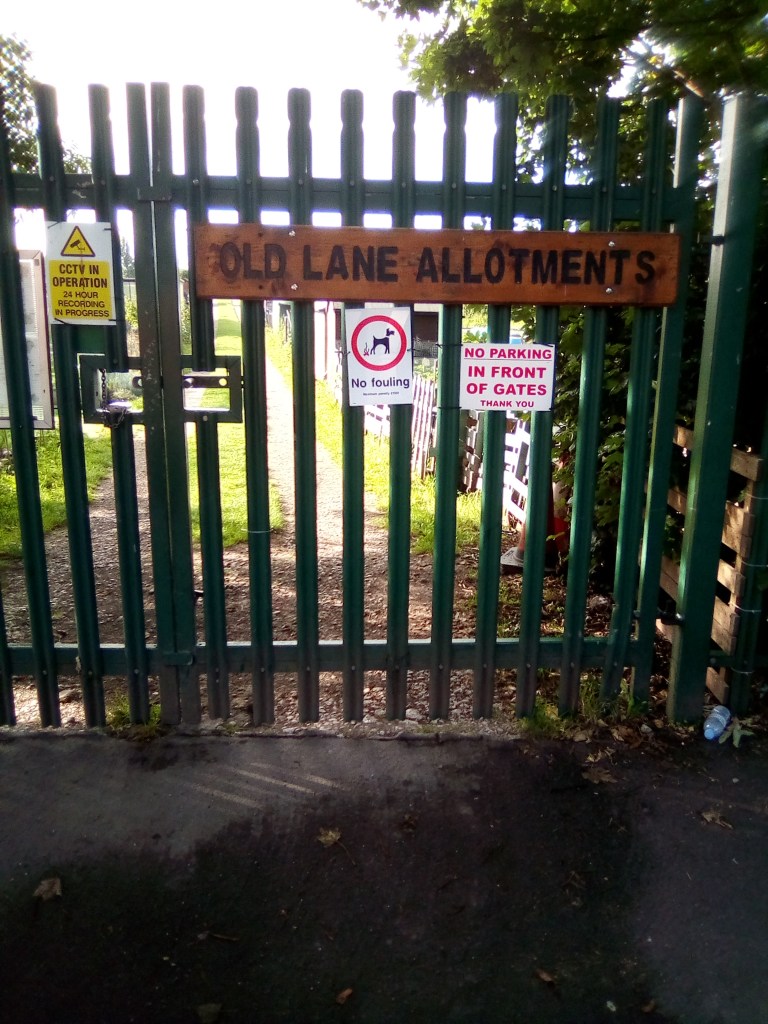
Old Lane Allotments

Committee

Hardening Off (Before Planting)

HARDENING OFF

Plants that have been raised indoors/greenhouses must be acclimatized to lower temperatures & wind before they are planted in the open . Harden them off in cloches or cold frames for 10 – 12 days. Increase ventilation gradually during the day & then at night , until the seedlings can be left out all the time before transplanting them to their final positions to grow on

Blog By Mark Burton (Allotment Secretary)

Padlock – St Anthonys Drive entrance

Dear Members,

The padlock on the gate when opened is faulty.The shackle comes completley out of the lock mechanism. Put the shackle back in and lock it in the usual way by scrambling the numbers and it will be locked and secured.

We are in the process of sorting the problem out.

Old Lane Allotments Association

Thinning Young Seedlings

THINNING OUT

Young seedlings need to be thinned to prevent overcrowding. Thin to the final spacing’s in stages, rather than immediately, to allow for any loss due to pests & diseases ; at each stage , aim to leave a seedling just clear of its neighbours. If the seeds have been sown in situ , continue to thin until they are at the spacing required for mature plants. 

Really small seedlings should be nipped off at ground level so as not to disturb roots on adjacent plants. Clear the thinned seedlings away as not to attract pests from the scent. Seedling’s such as lettuces  cabbages, & onions maybe lifted for transplanting, & the soil re -firmed  around the seedlings.

Blog & research by Mark Burton (Allotment Secretary)

Vegetable Growing – May

Lighter evenings means we get more time on our allotment plots & with temperatures rising in May we should see some really vibrant sunny days.  Watch out there is still a danger of frost even in May which will kill tender young plants. The soil should be warming up now so this is a time for some direct sowing of seeds but remember to stagger them to spread out your Harvests. Remember to harden off young plants this is where you gradually acclimatize the plants to outside temperatures & conditions over a two or three week period.

Continue to sow main-crop peas,  sow sweetcorn directly outside always sow in blocks rather than rows to ensure pollination. Root vegetables can now been sown outside carrots, beetroot, swedes, parsnips & turnips.

Sow outdoors under cover – beetroot, cucumbers, French beans, Runner beans, sweetcorn.

Sow Outdoors – Beetroot, Brussels sprout, Cabbages (Summer), carrots, cauliflower, French beans, kale, lettuce, oriental leaves, lettuce, radish, rocket, runner beans, spring onions,swede, salad leaves, broccoli, Swiss chard, spinach.

Sow Indoors – Cabbages Summer, autumn winter & red, chillies & peppers, pumpkins & winter squash, courgettes, kale, marrows, sprouting broccoli.

Herbs – Succession sow further small batches of seed such as basil, coriander,chervil, dill, parsley, sorrel – may need protecting still with covers or cloches.

You may need to earth up potatoes & keep that hoe going for the continual weeds.

Blog by Mark Burton (Allotment Secretary)