
If you are travelling to an organised bonfire stay safe & enjoy the celebrations
Enjoy the fireworks !
From the Old Lane Allotments Committee
If you are travelling to an organised bonfire stay safe & enjoy the celebrations
Enjoy the fireworks !

Kings seeds orders are now being processed at there warehouse, so we should receive them in a couple of weeks.I will inform members when they arrive so you can pick them up on site. Also I have ordered seed potatoes as per members order form requests. We should receive our stock in the middle of February next year.
Blog created by Mark Burton (Allotment Secretary)
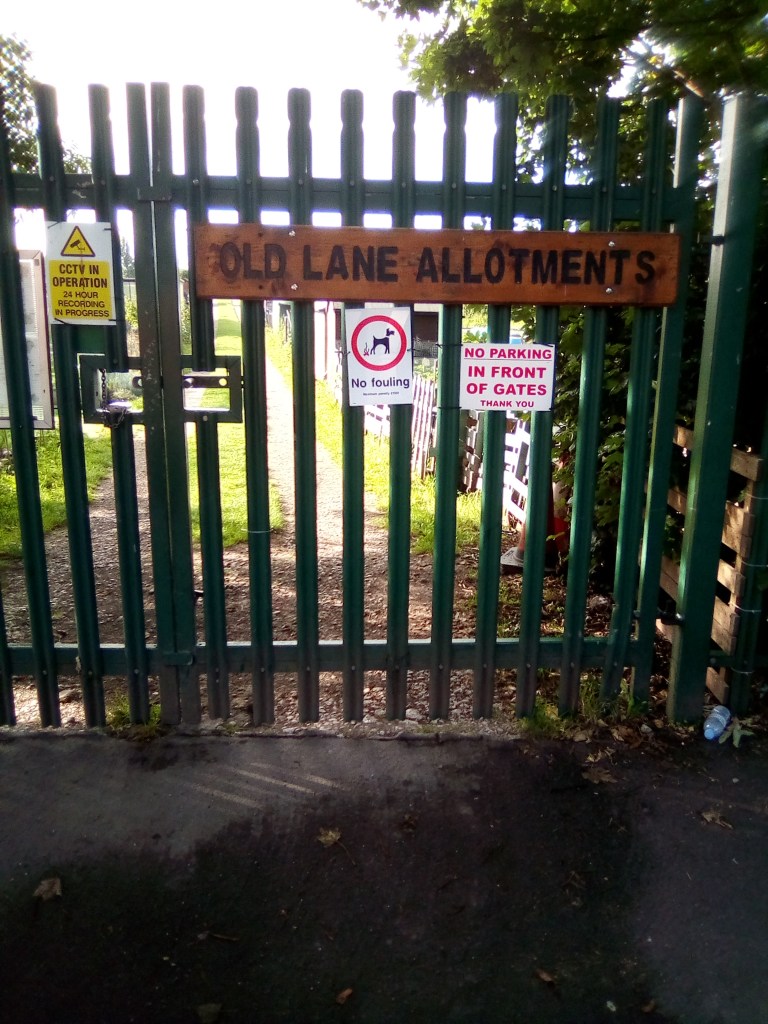
When I arrived at St Anthony’s Drive entrance yesterday morning the lock shackle was open, so anyone could have entered the site. I presume it had been open all night as I believe I was the first on site yesterday at 7.50am. I really can’t believe this is happening. How anyone can leave the lock open and walk away is beyond me. We have mischievous night coming up on Saturday, security on site is everybody’s responsibility. Also we are noticing the lock still is being put on the wrong way making it difficult for members accessing the site.
Blog created by Mark Burton (Allotment Secretary)


By now the nights are drawing in,so trying to fit in the allotment work becomes more difficult. Its time now to plant hardy Autumn broad beans, hardy peas can also be planted as well. Plant garlic cloves now otherwise you risk the weather becoming too wet or the ground being frozen. November is also the time to plant fruit trees, bare rooted ones which can only be planted when dormant. The same applies to new fruit bushes, rhubarb,blackberry & raspberry canes. As the ground becomes vacant it is now the time to dig in manure or grow – organic , leave the soil roughly dug in large clumps & let the worms do the work.
Digging over the land introduces air to the soil, loosening it also leaves insects & pests to the open air where birds can eat them. Do not forget to check your vegetables in storage, and removing anything that has started to rot before it spreads. Potatoes really need to be checked at regular intervals.
Remember we sell Grow – Organic to dig into the land – All monies go back into running the site
Blog by Mark Burton (Allotment Secretary)


The English word cabbage is believed to derive from the French word cabache a term for head. Research says the 1st cabbage appeared in England in the 14th century, the savoy cabbage were not developed until the 16th century. Today China is the worlds leading producer of cabbages, growing 30 million tons a year. It is said Ancient Egyptians used to eat them before meals to help prevent drunkenness. With some careful planning there is no reason why you cant have cut cabbages for twelve months of the year. Cabbages grow best in undisturbed fertile soil that has been dug over in the Autumn & not prior to planting. They will flourish from a reasonably sunny position & need plenty of room to grow, use cabbage collars if cabbage root fly is a problem & protect from birds when plants are young.
Cabbages contain no fat & are extremely low in calories & are very high in vitamins C, K, B6 and are an excellent source of folate, manganese, & calcium. Again historically cabbages were thought to have extensive medicinal advantages. Ancient Greeks used to use them as a laxative , an antidote for mushroom poisoning & to help heal bruises.
Always remember to read sowing instructions on seed packets
Blog & research by Mark Burton (Allotment Secretary)

Happy Halloween to all our members

Dear Members
We now have cow manure from a different supplier. We are selling it at a £1 per wheelbarrow full. Payment to be made in cash to one of the committee members.
All money taken goes to the running of the site
Blog created by Mark Burton (Allotment Secretary)


Etiquette the customary code of polite behaviour amongst members in a profession or group . Each allotment has an unspoken law that develops over years, the kind of etiquette that should be followed.
Blog by Mark Burton (Allotment Secretary)

Dear Members
We have now got in stock a number of rat bait stations which members can have on request. These have been purchased using Allotment funds, we will also supply rat poison on request when needed. Any member wanting one for their plot can you come and see me on site, there will be a disclaimer to sign, you will receive a data sheet regarding the safe use of rat poison.
Blog created by Mark Burton (Allotment Secretary)
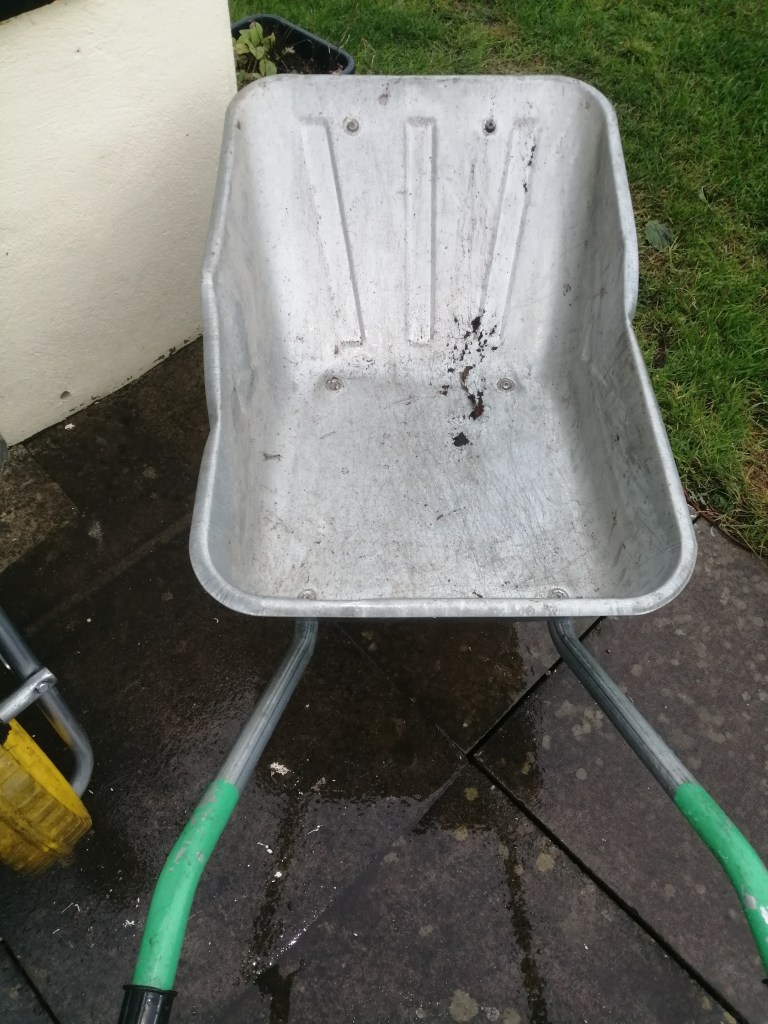
Dear Members
I came across this site wheelbarrow today which has obviously been misused. As you can see both sides have been dented in. These new wheelbarrows which we purchased for site use are over £40 each as they have a fixed wheel on them.
We purchased them not that long ago, no one has had the decency to let the committee know what they did to the wheelbarrow?
Blog created by Mark Burton (Allotment Secretary)
friendly, locally-managed allotments in Beeston, Leeds
A place to return to education, and meet your personal and professional goals in a supportive learning environment. Choose from short courses to PhDs at https://warwick.ac.uk/study/cll/
Welcome to my world: digging, harvesting and other stuff
