Blog

The Allotment Development

The Development Of The Allotment

  • AD410 in the Saxon times, communities cleared land together, sharing out ‘allotted land’ areas between themselves.
  • 1066 Following the Norman conquest , land ownership was confined to lords of the manor & the church.
  • 1600 During the reign of Elizabeth the first the first evidence of allotments is made, as land is given to the poor to compensate them for the enclosure of common land.
  • 1845 The general enclosure act included a requirement to provide land for allotments where common ground was enclosed.
  • 1887 The allotments & cottage gardens for compensation for crops act obliged local authorities to provide allotments, if there was a required demand.
  • 1907 the small holdings & allotment act clarified the responsibilities of local authorities to provide allotments.
  • 1914 Germanys blockade during the first world war led to an increased demand for allotments , although after the war it fell again.
  • 1939 The second world war , and its ‘DIG FOR VICTORY’ campaign brought allotments & gardening to the forefront of British life. The amount of allotments in the British Isles peaked at 1.5 million.
  • 1960 Disuse & development led to a decrease in allotments that were available.
                                             Blog & Research by Mark Burton (Allotment Secretary)

                                        To be Continued   ……

Plants Mean Prizes

Just letting members know that we have been judging plots over this growing season the winners & Runners up will be announced in September/October. Best kept plot 1st prize £30 Second prize £20. Also the best newcomer to the site £30 runner up prize £20.

Old Lane allotments Committee

Vegetable Growing – July

July is one of the driest months so a lot of time may be spent watering your plot. Although the hectic sowing of the first part of the year is past, there are still things to sow, plant, and happily harvest. Those early potatoes should be coming out of the ground by the end of this month, and although they do not store as long as main crop varieties they will store before you finish eating them.

Leeks – Finish transplanting or “dibbing in” leeks raised in pots, modules, or temporary seed beds. They should be in their final position this month. If you have too many to transplant cut them up & put them in a stir fry instead of spring onions.

Peas & French Beans – This is your last chance for sowing or planting out peas & beans. any later the pods are unlikely to develop in time.

Root Vegetables – Sow your last batch of beetroot now. Late carrot & turnip varieties can still go in at the end of this month.

Other crops you can still sow – Radish, spring onion, Kale, Chinese cabbage, Lettuce, Spring cabbage, last chance to plant out any Brussels sprouts, winter cabbage, autumn cauliflowers you have been growing from seed.

Don’t forget to keep your onions weed free, summer thinning can be now done on apple, pear, plum trees etc. Keep the hoe in your hand & keep on top of those weeds.

Blog By Mark Burton (Allotment Secretary)

Watering your Vegetables For Healthier Growth – Part 2

Plant Strategically

Plant Strategically & save water. For example, create miniature reservoirs for thirsty plants such as courgettes by banking up a miniature levee around each plant. This holds the water in place, allowing it to slowly drain into the soil without rather than running off. You can also sink plant pots into the ground then water into these, or cut the bottom off a plastic drinks bottle, prick holes into the cap then bury it upside down into the sol to slow-release delivery of water direct to the roots. If the weather is dry at sowing time, water along the seed drills before sowing. Allow the water to drain & then water again, then sow & cover with soil. There is no need   to water again after covering the seeds over. They will have a perfectly moist, cool environment in which to germinate.

When planting out seedlings or young plants, correct water is crucial. Water into the planting hole before planting, set the young plant into the ground, then water again to settle the soil around the root ball. The additional moisture around the root ball will get the plant off to a really strong start..

Blog by Mark Burton (Allotment Secretary)

Strimming/Mowing

This is just a reminder to plot holders that the main road through the site and the car park area next to the hut, is kept maintained by the committee. As in strimming and mowing of these areas. The rest of the site as in ajacent plots and internal hedging and trees have to be maintained by plot members. It does state in our constitution of rules in section D : He/She shall keep any hedge, internal trees, on the allotment properly cut and keep all ajacent communal pathways in good order (suitabley manintained). So you need to speak to your neighbours on plots around you, to determine who is going to maintain the walkways and all share the responsibility. Keeping the pathwayes etc maintained is part of allotment gardening.

Blog by Mark Burton (Allotment Secretary

Watering Your Vegetables – For Healthier Growth – Part 1

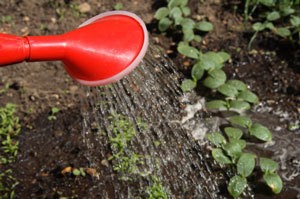
critical_times_to_water_your_vegetables_l2With the arrival of Summer  this brings rapid growth for our plants, with warmer days & settled weather comes the inevitable pressure to keep are plants hydrated & happy.  If your not careful, hot sunny weather can make you a slave to the watering can – so its time to become water wise on the allotment. Many gardeners more often than necessary, which encourages plants to produce shallow roots which will make them ever dependant on water. Encourage deeper roots by watering less often, so roots draw on the moisture found further down in the soil. A thorough soaking once a week is better than a sprinkling every couple of days. In hot weather prioritise seedlings rather than established plants as they need more water to establish there root systems. Some plants require extra water at crucial stages of development for example peas, tomatoes, squashes & cucumbers as they come into flower & produce there pods or fruit. Plants such as climbing beans will need to draw a lot of moisture from the soil, so will need a lot more water than other plants.

How you water is important . Apply water as close to the roots as you can, avoiding wetting foliage as this can lead to diseases. A watering can will help you get in amongst the foliage enabling you to inspect your plants. Never water in the middle of the day when most of the moisture applied will evaporate. Sometimes the soil surface looks dry when, just beneath, there is plenty of moisture.

My next blog in part 2 will explain how to plant strategically & save water.

Blog by Mark Burton (Allotment Secretary)

Parsnips

The parsnip has been cultivated since at least the Roman times, it was said that Emperor Tiberius regarded parsnips so highly that he allowed Germany to pay part of its tax to him with parsnips. We believe that frost improves flavour of parsnips, making the roots sweeter. They were used as a sweetening agent before the arrival of sugar in Europe. In Tudor times parsnips were a common ingredient in bread. In France it is often regarded as cattle fodder, while in Italy parsnips were fed to pigs. Parsnips are said to improve cardiovascular health, they contain high levels of potassium which helps to reduce blood pressure & stress on the heart.

They are very low in calories & contain high levels of dietary fibre, as well as being reasonably high in vitamins, B,C,E & K, manganese & Iron. Parsnips require an open position growing well in light, but in deep well cultivated soil. Do not sow seed on recently manured ground as this will cause the roots to ‘fork’ . The addition of a general purpose fertiliser shortly before sowing will be beneficial.

Always read sowing instructions on seed packets.

Blog & research by Mark Burton (Allotment Secretary)

Peas

In Tudor times peas were a delicacy, often imported from the Netherlands, making them expensive to eat. Eating fresh peas became much more popular in the late 18th century, when British breeders started growing sweeter varieties. Gregor Mendel used pea plants in his experiments with genetics. Peas were first frozen by Clarence Birdseye who invented the ‘plate froster’ in the early 1920s in order to preserve food. The pea is said to be green when its young & immature. Ripe peas are usually yellow.

Peas have a good source of vitamins A,B1, & C. They are also high in protein, carbohydrate & fibre. The less water used when cooking peas , the less vitamin C is lost. Peas do best in an open position, but not one that is too exposed. |They are naturally a cold weather, growing best in Spring & cool Summers. They do not thrive in hot weather, drought, or poorly drained soils. Peas  generally don’t  germinate in cold soil, & this leaves them venerable to attack from mice & fungal diseases. Do not sow in an early cold Spring.

Always read seed packet for growing instructions

Blog & research by Mark Burton (Allotment Secretary)

Sweet Pepper& Chilli Peppers

Sweet peppers & Chilli peppers have probably been eaten since 7500BC & thought to have originated from Mexico, although that is not known for sure. Nowadays about 90% of all cultivated forms of chillies are of Mexican origin. The Jalapeno chilli takes its name from Jalapa , the state capital of Veracruz. Sweet peppers are also known as bell peppers, they are sweet because unlike chillies they have minimal capsaicin which is what gives chillies their ‘heat’.  The Charapita chilli pepper roughly grows to the size of a pea, however a kilogramme of these would cost you around 19 thousand pounds. It is said to be the most expensive chilli in the world.

Chillies especially red ones are high in vitamin C and also rich in vitamin B , they are very high in potassium & magnesium. Sweet peppers are also high in vitamin C, and  have high levels of vitamins B6, A, E, plus natural occurring folic acid. Keep them inside when growing & feed them with seaweed food when they start to flower.

Always read the seed packet for growing instructions

Blog by Mark Burton (Allotment Secretary)

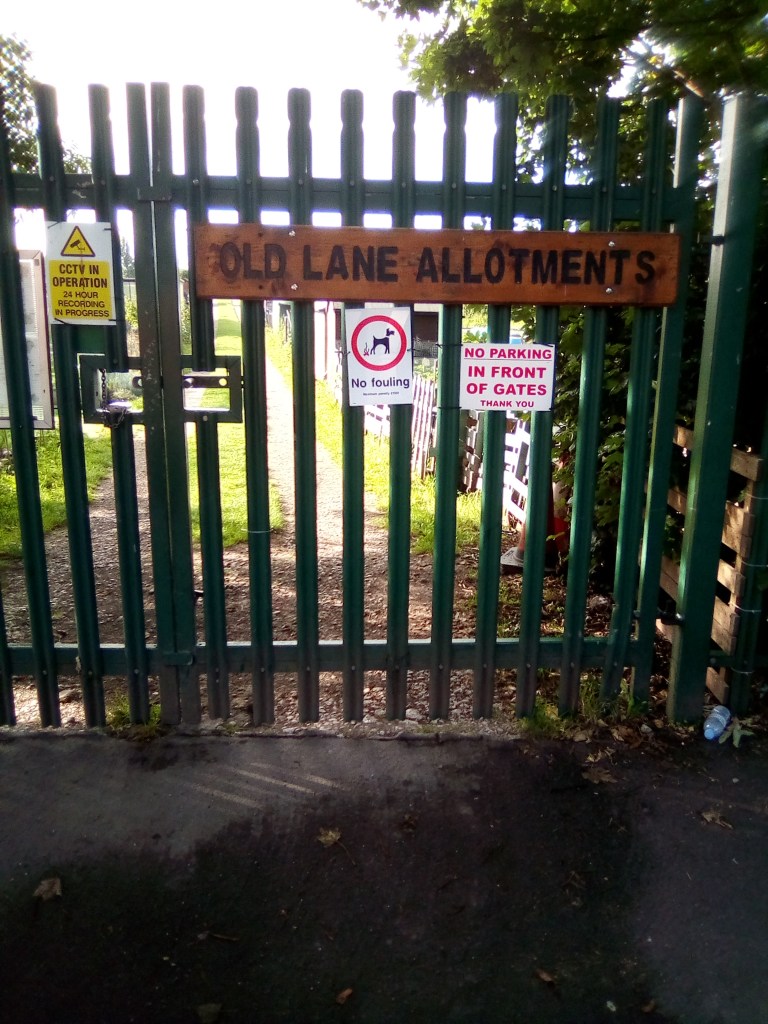
lock – Bottom Gate – Old Lane Entrance

The lock has become faulty on the bottom gate, Old Lane entrance. The shackle comes out from the body of the lock when the code is entered and opened. To lock the gate put the shackle into the body of the lock and continue as you would normally lock it, then scramble the numbers and make sure it is locked.

This is the 3rd lock that has now become faulty. Ive seen members put the code in and then yank with force to open the shackle. We believe with this type of force being used is damaging the ball bearings inside the lock mechanism. We have had advice from Geo Spence where we purchased the locks from, they have said unnecessary force is being used for this type of frequent fault. Can we make sure we are treating the locks on the entrance gates with due care so this doesnt keep happening. The locks are over £60 each.

Blog Created By Mark Burton (Allotment Secretary)