This is a gentle reminder to all plot holders that hose pipes are only to be used to fill water butts and not to be used direct for watering of plots.
This is to ensure we don’t receive huge water bills.
Old Lane Allotments
Committee
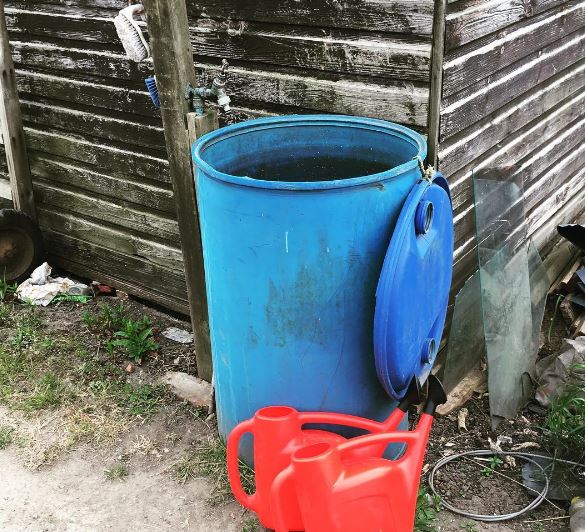
This is a gentle reminder to all plot holders that hose pipes are only to be used to fill water butts and not to be used direct for watering of plots.
This is to ensure we don’t receive huge water bills.
Old Lane Allotments
Committee
There are roughly 5,000 different species of lady birds in the world. These much loved critters are also known as lady beetles & lady bugs, and in many cultures they’re considered good luck. Most people like ladybirds because they are pretty, graceful & harmless to humans. They eat aphids & other plant eating pests. The ladybirds bright colours act as a defence mechanism, warning animals they best not eat them. When threatened, the bugs secrete an oily, yukky, yellow fluid from the joints of their legs. These brilliant bugs have another trick to avoid danger, they remain still & pretend to be dead. During Spring & summer they are most active, these incredible insects can be seen fluttering around or walking on the leaves of plants. When the weather turns cold in Autumn they go in to hibernation.


Blog & Research – Mark Burton
Photographs – On My plot (14)
Anti Bird Netting

We now stock anti bird netting it is 2 metres in width.
It costs £1 a running metre
Use it to cover your brassica plants before the wood pigeons feast on your crops !
All monies go back into the running of the site
Blog by Mark Burton (Allotment Secretary)
Please click/double click on the link above to read this months newsletter
Editor/Content : Steve Johnston (Treasurer)
Content : Mark Burton (Allotment Secretary)


July is one of the driest months so a lot of time may be spent watering your plot. Although the hectic sowing of the first part of the year is past, there are still things to sow, plant, and happily harvest. Those early potatoes should be coming out of the ground by the end of this month, and although they do not store as long as main crop varieties they will store before you finish eating them.
Leeks – Finish transplanting or “dibbing in” leeks raised in pots, modules, or temporary seed beds. They should be in their final position this month. If you have too many to transplant cut them up & put them in a stir fry instead of spring onions.
Peas & French Beans – This is your last chance for sowing or planting out peas & beans. any later the pods are unlikely to develop in time.
Root Vegetables – Sow your last batch of beetroot now. Late carrot & turnip varieties can still go in at the end of this month.
Other crops you can still sow – Radish, spring onion, Kale, Chinese cabbage, Lettuce, Spring cabbage, last chance to plant out any Brussels sprouts, winter cabbage, autumn cauliflowers you have been growing from seed.
Don’t forget to keep your onions weed free, summer thinning can be now done on apple, pear, plum trees etc. Keep the hoe in your hand & keep on top of those weeds.
Blog By Mark Burton (Allotment Secretary)
The pride gnome – Old Lane Allotments supporting L.G.B.T.


Our treasurer Steve Johnston bought this garden gnome for a family member supporting the L.G.B.T movement. I thought it would be a good idea to put it on the lawn on our site & take a photograph.
Old Lane Allotments supporting L.G.B.T
Blog created by Mark Burton (Allotment Secretary)
Photograph taken by Steve Johnston (Treasurer)


Club – Root is an infection of the roots of, a soil dwelling micro-organism related to slime moulds, leading to massive swelling, distortion & severely retarded growth. It affects Brussels sprouts, cabbages, cauliflowers, turnips & radishes. Club-root can infect whenever the soil is moist & warm, so most new infections occur from mid-Summer until late Autumn. You may see the following symptoms stunted growth, purplish foliage & wilting in hot weather. Below ground the root system becomes massively swollen & distorted, with a loss of finer roots badly infected plants might die.
Once you have club-root on your plot i am afraid you are stuck with it, Start your brassicas off in modules using bought in composts to which a small amount of lime is added & pot up to 3 inches & then at least 5 inch pots before planting out. This allows the plant to develop a good root system prior to infection. Club-root thrives best in acid wet soils so ensure your brassica bed is well dug, adding grit if needed to keep the soil free draining. Before planting in the ground dig a hole 1 foot deep & in diameter then dust with lime to whiten the soil in the hole. Fill the hole with bought in compost and then plant in this. This method has been proven to work & enable good quality crops to be taken. Obviously this is very time consuming & you may feel that growing in containers is your only option. There are now club-root resistant seed variety’s available but remember this is a resistance not immunity.
Blog & Research – Mark Burton (Allotment Secretary)


Plant Strategically
Plant Strategically & save water. For example, create miniature reservoirs for thirsty plants such as courgettes by banking up a miniature levee around each plant. This holds the water in place, allowing it to slowly drain into the soil without rather than running off. You can also sink plant pots into the ground then water into these, or cut the bottom off a plastic drinks bottle, prick holes into the cap then bury it upside down into the sol to slow-release delivery of water direct to the roots. If the weather is dry at sowing time, water along the seed drills before sowing. Allow the water to drain & then water again, then sow & cover with soil. There is no need to water again after covering the seeds over. They will have a perfectly moist, cool environment in which to germinate.
When planting out seedlings or young plants, correct water is crucial. Water into the planting hole before planting, set the young plant into the ground, then water again to settle the soil around the root ball. The additional moisture around the root ball will get the plant off to a really strong start..
Blog by Mark Burton (Allotment Secretary)
This picture is of Ronnie Sellars he has just harvested his first lot of onions he was delighted with the results. He is on plot 60 on our site & I’m sure he will chat to people about the varieties he’s grown & any tips he has.

Blog & Picture by Mark Burton (Allotment Secretary)
 With the arrival of Summer soon upon us this brings rapid growth for our plants, with warmer days & settled weather comes the inevitable pressure to keep are plants hydrated & happy. If your not careful, hot sunny weather can make you a slave to the watering can – so its time to become water wise on the allotment. Many gardeners more often than necessary, which encourages plants to produce shallow roots which will make them ever dependant on water. Encourage deeper roots by watering less often, so roots draw on the moisture found further down in the soil. A thorough soaking once a week is better than a sprinkling every couple of days. In hot weather prioritise seedlings rather than established plants as they need more water to establish there root systems. Some plants require extra water at crucial stages of development for example peas, tomatoes, squashes & cucumbers as they come into flower & produce there pods or fruit. Plants such as climbing beans will need to draw a lot of moisture from the soil, so will need a lot more water than other plants.
How you water is important . Apply water as close to the roots as you can, avoiding wetting foliage as this can lead to diseases. A watering can will help you get in amongst the foliage enabling you to inspect your plants. Never water in the middle of the day when most of the moisture applied will evaporate. Sometimes the soil surface looks dry when, just beneath, there is plenty of moisture.
My next blog in part 2 will explain how to plant strategically & save water.
Blog by Mark Burton (Allotment Secretary)
friendly, locally-managed allotments in Beeston, Leeds
A place to return to education, and meet your personal and professional goals in a supportive learning environment. Choose from short courses to PhDs at https://warwick.ac.uk/study/cll/
Welcome to my world: digging, harvesting and other stuff
