( Gate ) St Anthony’s Drive Entrance

KEEP THE ENTRANCE GATES LOCKED AT ALL TIMES

On Thursday 6th June at 7pm Tony Paine (Site Trustee) found the gate unlocked on his arrival to site. I also found the gate unlocked today 7th June 1.20pm on my second visit of the day to the site. We can not reiterate how important it is to keep both main entrance gates locked at all times. Even if you are only on site for ten minutes they need to be locked. We have many age groups coming on site including vulnerable people, & security on site has to be paramount at all times. Allotment life is very important to us all & we all take great pride in working our plots. This week three members have reported to me about plant theft & items going missing from their sheds. We don’t want to end up changing the locks & having our gates open at certain times over the course of the day as 24hr access to the site suits us all.

Blog Written by Mark Burton (Allotment Secretary) For & on behalf of Old Lane Allotments Association


Vegetable Growing – June


June is a very busy time on the allotment the nights should now be frost free, and daylight hours are longer which should give you plenty of time to get on with jobs that need doing. Now is the time to protect your strawberries by mulching around them with straw to keep mud splashes off, & keep birds of your precious ripening strawberries by cover your plants with netting.

Keeping on top of the weeds is still very important hoe between rows & let them dry out on top of the soil. Continue sowing beetroot, This is the last chance to sow main crop variety carrots that will be ready to harvest in September/October. Courgettes, Summer squash, & marrows if you don’t already have young plants you have raised in pots, you can sow the seed direct outside now the soil has warmed up. The beginning of June will be the last chance to grow maincrop peas, towards the end of the month switch to early fast maturing peas which should be ready to harvest in September. Outdoor cucumbers are usually started off earlier in pots, but if you sow them direct this month they should give you a crop in August/September.

Sow Outdoors now – beetroot, broccoli, Carrots, French beans, kale, pumpkins & Winter squash, runner beans, swede, Swiss chard, turnips, radish, Spring onions, continue succession of salad leaves, cucumbers, herbs.

                                          Blog by Mark Burton (Allotment Secretary)

Plot 13 W – Nick Thyer & the band

Plot 13W is rented on our site to Nick Thyer & his wife Catherine. Nick is in a band called STATE 53 & they are playing at the

WHISTLE STOP PUB BEESTON THIS SATURDAY 8TH JUNE FROM 9PM 

– They play the best of American Country rock from Johnny Cash, Dolly Parton, Eagles, John Denver, Tom Petty , Blackberry smoke, and a host of great American country rock artists. Nick is on the left in the picture on guitar along with band members Steve Hoyle, Clive Eales &  Bob “Too Tall” Plews  (FREE ENTRY ON THE NIGHT)

image1
Come & support this local band


Pests & Problems – Aphids

15481508915091807455606.jpg

Aphids

The aphid is said to have over 500 species, including greenfly & blackfly. They cause damage to plants across a broad spectrum, including cabbages, broad beans, to aubergines & tomatoes in the greenhouse.  They feed on plants by inserting their syringe like mouths into the plant then sucking the sap. This then weakens the plants & passes on viral diseases from plant to plant. They produce honeydew ; a sticky waste which forms a growth medium for moulds & is prized by ants who actually farm the aphids, protecting them from predators in return for a food source.

Broad beans which are usually seen to be hit by blackfly, once they have grown just clip off the growing tip & dispose of it with the pests attatched. The natural enemy of the aphid is the ladybird, you can buy ladybird larvae as a biological control for use in your greenhouse or polytunel.


Blog & Research by Mark Burton (Allotment Secretary)


Hosepipes

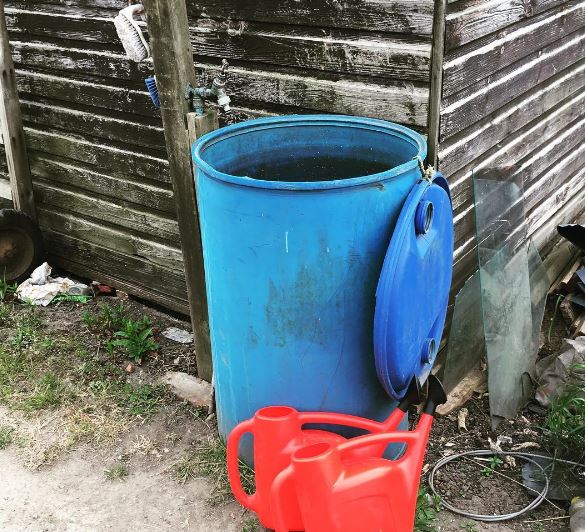
This is a gentle reminder to all plot holders that hose pipes are only to be used to fill water butts and not to be used direct for watering of plots.

This is to ensure we don’t receive huge water bills.

Old Lane Allotments

Committee


Lettuces

LETTUCE


Lettuce’s botanical name Lactuca sativa is from the Latin word lac meaning (milk) which refers to its milky sap. There are now over 100 species of lettuce probably originating from countries bordering the Mediterranean sea . It was originally a medicinal plant but records show that it was being eaten as early as 4500BC. The Greeks believed that lettuce induced sleep, the Romans began to eat it before a main meal to wet their appetite. Lettuce was known to the Anglo Saxons as sleepwort.

Christopher Columbus took lettuce’s to America, they were originally loose leaf plants  It wasn’t until the 16th century when head type lettuce appeared. Lettuce provides us with vitamin A & C, and is packed with antioxidants & is low in calories. They need an open site with light fertile soil, they do not do well in poor soil which dries out during the summer period.

Always read the seed packet before planting

Blog & research by Mark Burton (Allotment Secretary)


Plot 28 – Depuy Synthes – Team building day 16th May 2019

PLOT 28 – Team building day

The Depuy volunteers spent a day on the allotments as part of a team building event. Andrew Bailey (Depuy) was in charge of the event, and all the staff who volunteered were busy on their plot 28. Lots of progress was made on their plot. They also helped one of our plot members on there plot as there were round about twenty five volunteers.Mick Hogan & Mark Burton from the Old Lane Allotments committee were there to give some assistance & support with the event. I think everybody enjoyed the day & the weather was on our side. It was a good for the Depuy staff to work outside on this project & support each other on there team building day.

More photos from the day can be found on our website navigate to photos & take a look

Blog by Mark Burton (Allotment Secretary) Photos by Andrew Bailey (Depuy Synthes)

Thinning Young Seedlings

THINNING OUT

Young seedlings need to be thinned to prevent overcrowding. Thin to the final spacing’s in stages, rather than immediately, to allow for any loss due to pests & diseases ; at each stage , aim to leave a seedling just clear of its neighbours. If the seeds have been sown in situ , continue to thin until they are at the spacing required for mature plants. 

Really small seedlings should be nipped off at ground level so as not to disturb roots on adjacent plants. Clear the thinned seedlings away as not to attract pests from the scent. Seedling’s such as lettuces  cabbages, & onions maybe lifted for transplanting, & the soil re -firmed  around the seedlings.

Blog & research by Mark Burton (Allotment Secretary)