L.G.B.T – A Gnome in the pride rainbow colours


The pride gnome – Old Lane Allotments supporting L.G.B.T.

Our treasurer Steve Johnston bought this garden gnome for a family member supporting the L.G.B.T movement. I thought it would be a good idea to put it on the lawn on our site & take a photograph.

Old Lane Allotments supporting L.G.B.T

Blog created by Mark Burton (Allotment Secretary)

Photograph taken by Steve Johnston (Treasurer)


Club – Root Disease


Club – Root  is an infection of the roots of, a soil dwelling micro-organism related to slime moulds, leading to massive swelling, distortion & severely retarded growth. It affects Brussels sprouts, cabbages, cauliflowers, turnips & radishes. Club-root can infect whenever the soil is moist & warm, so most new infections occur from mid-Summer until late Autumn. You may see the following symptoms stunted growth, purplish foliage & wilting in hot weather. Below ground the root system becomes massively swollen & distorted, with a loss of finer roots badly infected plants might die.

Once you have club-root on your plot i am afraid you are stuck with it, Start your brassicas off in modules using bought in composts to which a small amount of lime is added & pot up to 3 inches & then at least 5 inch pots before planting out. This allows the plant to develop a good root system prior to infection. Club-root thrives best in acid wet soils so ensure your brassica bed is well dug, adding grit if needed to keep the soil free draining. Before planting in the ground dig a hole 1 foot deep & in diameter then dust with lime to whiten the soil in the hole. Fill the hole with bought in compost and then plant in this. This method has been proven to work & enable good quality crops to be taken. Obviously this is very time consuming & you may feel that growing in containers is your only option. There are now club-root resistant seed variety’s available but remember this is a resistance not immunity.

Blog & Research  –  Mark Burton (Allotment Secretary)

Watering your Vegetables For Healthier Growth – Part 2

Plant Strategically

Plant Strategically & save water. For example, create miniature reservoirs for thirsty plants such as courgettes by banking up a miniature levee around each plant. This holds the water in place, allowing it to slowly drain into the soil without rather than running off. You can also sink plant pots into the ground then water into these, or cut the bottom off a plastic drinks bottle, prick holes into the cap then bury it upside down into the sol to slow-release delivery of water direct to the roots. If the weather is dry at sowing time, water along the seed drills before sowing. Allow the water to drain & then water again, then sow & cover with soil. There is no need   to water again after covering the seeds over. They will have a perfectly moist, cool environment in which to germinate.

When planting out seedlings or young plants, correct water is crucial. Water into the planting hole before planting, set the young plant into the ground, then water again to settle the soil around the root ball. The additional moisture around the root ball will get the plant off to a really strong start..

Blog by Mark Burton (Allotment Secretary)


Ronnie & his TOP NOTCH Onions.

This picture is of  Ronnie Sellars  he has just harvested his first lot of onions he was delighted with the results. He is on plot 60 on our site & I’m  sure he will chat to people about the varieties he’s grown & any tips he has.

DSCN0464
Well Done Ron

Blog & Picture by Mark Burton (Allotment Secretary)

Watering Your Vegetables – For Healthier Growth – Part 1

critical_times_to_water_your_vegetables_l2With the arrival of Summer soon upon us this brings rapid growth for our plants, with warmer days & settled weather comes the inevitable pressure to keep are plants hydrated & happy.  If your not careful, hot sunny weather can make you a slave to the watering can – so its time to become water wise on the allotment. Many gardeners more often than necessary, which encourages plants to produce shallow roots which will make them ever dependant on water. Encourage deeper roots by watering less often, so roots draw on the moisture found further down in the soil. A thorough soaking once a week is better than a sprinkling every couple of days. In hot weather prioritise seedlings rather than established plants as they need more water to establish there root systems. Some plants require extra water at crucial stages of development for example peas, tomatoes, squashes & cucumbers as they come into flower & produce there pods or fruit. Plants such as climbing beans will need to draw a lot of moisture from the soil, so will need a lot more water than other plants.

How you water is important . Apply water as close to the roots as you can, avoiding wetting foliage as this can lead to diseases. A watering can will help you get in amongst the foliage enabling you to inspect your plants. Never water in the middle of the day when most of the moisture applied will evaporate. Sometimes the soil surface looks dry when, just beneath, there is plenty of moisture.

My next blog in part 2 will explain how to plant strategically & save water.

Blog by Mark Burton (Allotment Secretary)

Potato “Blight”


Potato blight is a disease caused by a fungus like organism that spreads rapidly in the foliage and in potato tubers in wet humid weather, causing collapse & decay. The initial symptom of blight on potatoes is a rapidly spreading, watery rot of leaves, that shrivel & turn brown, also causing brown lesions on the stems. If allowed to spread unchecked, the disease will reach the tubers, affected tubers will have a reddish brown decay below the skin, firm at first but soon developing into a soft rot as the tissues are invaded by bacteria. Blight is airborne & travels at rapid speeds.

Keep a close eye on your potatoe patch for any signs of blight, and remove any infected leaves as you see them. Obviously the more diligent you are in this respect the longer you can prevent the spread of the disease. Removing infected leaves is particularly successful if the weather turns dry after doing it. If over 10 % of the foliage is affected cut of all the growth at soil level, this should prevent the tubers in the ground from infection. infected foliage should be removed or burned. There is no chemical spray on the market to prevent the disease but these good hygiene tips could help

  • Always buy your seed potatoes from a reputable supplier
  • If watering is required apply to the base of the plant
  • Blight spores on foliage are washed down through the soil & will infect tubers, earthing up potatoes can reduce levels of infection.
  • Crop rotation


Blog & Research by Mark Burton (Allotment Secretary)

Application For Capital Grant Funding


In April this year our Association forwarded an application for capital grant funding to Leeds City Council to acquire funds  from their (well being money). We put in a price to obtain electricity in our hut building which would have had many benefits for our members on site.

Unfortunately our bid on this occasion was unsuccessful as there were another nineteen applicants applying for money from the well being funds. It was however only over a year ago we received funding for our car park. We are doing all we can to continue to make improvements to our site.

Blog created by Mark Burton (Allotment Secretary) For & on behalf of Old Lane Allotments Association)


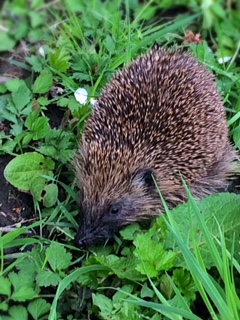
Hedgehogs

image1

Marie & Jim Darlow sent in this photograph of a hedgehog on there plot 4 last year they said it was about 9.30 in the morning when the hedgehog was having a morning stroll. So it got me thinking to put some hedgehog facts to there picture.

Hedgehog

While populations of this hedgehog are stable they are thought to be declining severely in the United Kingdom. The animal appears brownish with most of its body covered by 6,000 brown & white spines. Its diet includes slugs, earthworms, beetles, caterpillars, & other insects. Life expectancy is round about 3 years, starvation is the most common cause of death, usually occurring during hibernation. If alarmed, the animal will roll into a ball to protect itself, many potential predators are repelled by its spines. Some animals like owls do hunt them, an owl will grab the hedgehog by its face & peel its prickly back with its talons first making it safe to eat. Foxes are also a predatory problem. Hedgehogs are nocturnal but if they are seen in the day they are usually moving there nests

Blog & Research Mark Burton (Allotment Secretary)

Picture Marie Darlow (Plot 4)

Radishes

Radish is derived from the Latin word ‘Radix’ which translates to the word ‘root’ very apt for this little root vegetable that stems further back than the Ancient Chinese writings from 2700 BC. The radish came to our shores in the 1500’s where it was used on many illnesses such as kidney stones to acne. The labourers who built the pyramids of Ancient Egypt were paid in onions, garlic, & radish. The radish is part of the brassica family & is related to broccoli & kale despite the ascetic & taste differences

Radishes are powerful detoxifiers that are also rich in vitamins & phytochemicals. This allows your body to purify your blood stream & maintain a higher oxygen supply to all of your cells. They thrive in well-drained soil free from stones, that has had well rotted compost dug into it. A sunny spot with a little shade are ideal growing conditions, the radish make perfect fillers in between other crops

Always read the seed packet for sowing instructions

Blog & research by Mark Burton (Allotment Secretary)