Successional Sowing

SUCCESSIONAL SOWING

Successional sowing

It is easy to freeze are vegetable’s if we have a glut of crops. Fresh vegetable’s however that have been picked a few hours earlier & cooked always taste so much better. So to avoid growing a glut over the growing season we need to have smaller quantities ripening over a period. Say we are going to use a cabbage each week , take a modular seed tray & plant three seeds, label them with the variety & date. While they are developing pot on into three inch pots. Then three weeks later sow another three seeds as your first set of seeds are developing. Continue the process, that way you wont have too many of the same crop all ready at the same time.

This method can be applied to any crop that you have started in pots.

Blog By Mark Burton (Allotment Secretary)


Pests & Problems – Cabbage White Fly

The cabbage whitefly is a sap – feeding insect that can infest cabbage & other types of brassica plants. They are white winged insects that fly up in clouds when brassica leaves are disturbed. Cabbage whitefly can be very difficult to control, very much so on allotments where there are likely to be affected plants on neighbouring plots that will be a source of re-infestation. You will often see whitefly in mid Summer when the weather is warm. Due to whitefly feeding, plants will become weak, leaves will eventually wilt, turn pale or yellow & this in effect will stunt plant growth.

The best way to get rid of the dreaded whitefly is to blast them with your watering can, this will cause them to scatter,   If you are not wanting to use bug sprays or pesticides a simple remedy is to use washing up liquid and water,  a good squirt of liquid to a gallon of water should be enough. Using a sprayer only use in cooler temperatures early in the morning or later in the day.

It is nearly impossible to get rid of whitefly but using this method or bug sprays will allow you to keep on top of the problem.


Blog & Research by Mark Burton (Allotment Secretary)

What To Grow On Your Allotment

WHAT TO GROW


One of the srangest things I have come across is a grower that has a crop that he or she doesn’t like. So the first rule is to grow what you like to eat. Although this may seem obvious , often it can be strangely ignored. Write down what you or your family like to eat. Think seasonally Summer most people like salads & in Winter most families like root hardy vegetables. When you go shopping see which fruit & vegetables are the most expensive (so you can save money). Having eventually made a list of what you want to eat. You can then choose the varieties you want to grow. It’s easy to get carried away when your planning, be realistic about the time you have available ; think about how much time you will have in a good week, and in a bad week. Pick plants & seeds that are happy with that & grow them in the right place. On the other hand do try crops that you haven’t eaten before. The worst case is you waste a packet of seeds & a small patch of land.

Blog by Mark Burton (Allotment Secretary)

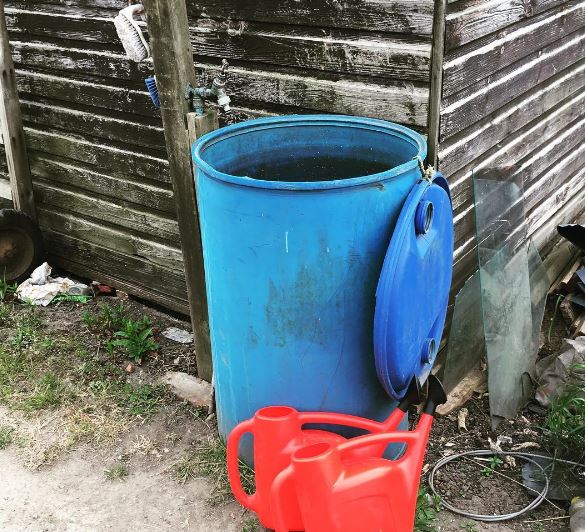
Water butts that are located next to site water taps

Notice

It is a general site rule to fill up water butts that are next to site taps around the site when  members are watering up. However I have had a couple of complaints this week that this is not happening. A couple of water butts were nearly empty which is not very courteous for the next person who wants to water up. This is just a polite notice to fill the water butt back up  when you’ve watered your plot.


Blog created by Mark Burton (Allotment Secretary)

For & on behalf of  (Old Lane Allotments Association)

NOTICE

(MAIN ROAD) PATH THROUGH ARE SITE

Please can all members not leave items on the main road through the site. There was an incident today with one of our plot holders who has had one of his tyres punctured & severely damaged with a sharp metal object left on our main road. As we have two car parks the main road is frequently used. Can all members make sure when using tools screws, bolts, if they are working on the road or on there own plots to pick up all the items they have been using, & please think about plot holders with vehicles.  Obviously this has cost the plot holder money for the repair to his vehicle & this should not be happening.

Blog by Mark Burton (Allotment Secretary)

For & on Behalf of Old Lane Allotments Association

Vegetable Growing – April


Things should really get going on the allotment in April, the days will start to lengthen & temperatures start to rise.  Do keep an eye on the weather forecasts as a cold snap or snow are not unheard of in April & the occasional frost is to be expected.  The first rule is never trust the weather.

There is plenty to sow & plant outside especially if the month of March was not suitable.Onion sets & shallots can be planted now, remember shallots need a long time in the ground. Aim to get your seed potatoes planted by the end of the month, you can start to sow carrots & peas outside. Remember though the peas are a good snack for mice, so keep them covered. Radish can now be sown outside & keep sowing every three to four weeks for a continuous supply over the summer.  Beetroot can be sown directly outside,but may need covering if the soil is too wet, also leeks & Turnip.

Aubergines, chillies , tomatoes can now be sown in the greenhouse as they all need a long growing season. You can also sow cucumber seeds in the greenhouse for planting outside later. Sweetcorn also needs a long growing season, it would be ideal to start them in modules under cover.  Courgettes, pumpkins & other squashes can be started in the greenhouse, also kale, marrows, climbing beans & dwarf French beans under cover. Start sowing also celery indoors, aubergines, & Summer cabbages & other variety’s from the brassica family.

Lettuce,rocket & salad leaves can also be sown outside along with root vegetables all dependent on the weather of course.


Blog created by Mark Burton (Allotment Secretary)

FIRES ON ALLOTMENTS SUSPENDED UNTIL FURTHER NOTICE – COVID 19

Smoke from bonfires can cause people with respiratory and other health conditions to suffer.  Bonfires may also be a nuisance and an inconvenience to those who wish to sit in their gardens or dry washing. This is particularly relevant at the current time where people are likely to be spending more time at home and in their gardens due to the restrictions and self-isolations in place due to COVID-19.  It may also be the case that some households may even be experiencing the symptoms of the virus and could be adversely affected by smoke.

We would therefore request that you show consideration to those living in your neighbourhood and DO NOT have any further allotment/garden bonfires at this time. Any large items or wood should be stored until a time when household waste sites reopen or unwanted items collections resume.  We would recommend that you consider composting or storing any garden waste in your garden or garage until brown bin collections resume or household waste sites reopen.

Thank you

Mark Burton (Allotment Secretary ) For & on behalf of

Old Lane Allotments Association

Lynne Rodgers (Senior Allotments Officer Leeds City Council)

Pathways – Between Plots


Path ways between plots must be maintained


To All Plot Members

Just a reminder that pathways have to be clear for access. It is the responsibility of plot holders to keep the grass cut on adjacent paths between plots to keep the site well maintained.

Thank you

Old Lane Allotments Committee


Strawberries

The Romans ate strawberries to lift their spirits & to help with bad breath. They also used them for various digestive problems.  North American first nation tribes used strawberries medically , known as a women’s medicine used to clear toxins & to support fertility & child bearing. Before planting the area has to be free from perennial weeds as this can result in root damage. The incoperation of a well rotted organic manure a couple of weeks before planting is beneficial.

Strawberries are best grown in full sun, they need watering as they become established also in dry spells. Always water from below & not from above to prevent the crown of the plant from rotting.  Strawberries contain more vitamin C than oranges & are high in fibre. They are believed to be good for the skin & mucous membranes , they also encourage iron absorption & reduce blood fat levels.

Always read growing instructions before planting

Blog & Research by Mark Burton (Allotment Secretary)