Weeds


Weeds & Hoeing

Most of the annual weeds spread thousands of seeds that lie in the ground until the elements & conditions are right then they will appear. Turning over the soil brings those seeds to the surface, hence they will begin to pop up all over your allotment garden. Most of these weeds can be dealt with by hoeing through them, leave them to dry on the surface then transfer them to the compost bin. Catching the weeds early is the best way, better to hoe little & often. Make sure the blade is horizontal to the surface then move the hoe back & forth just under the soil surface. This slices the weed off its root & both root & stem die.

Do not hoe in wet conditions, the soil will cling to the hoe & you will end up pushing the weeds back into the ground & not slicing them. The weeds would probably then survive & re-root. There are other weeds that present a bigger problem, these are perennial & live from year to year. As a general rule hoeing them just cuts the tops off & the weed will rise again from its deep roots. I have listed below the perennial weeds,  you will have to dig out the roots to stop them coming back.

REMEMBER WEEDS ON YOUR PLOT CAN MAKE YOUR NEIGHBOUR CRINGE 

NETTLES, DOCK LEAVES, DANDELIONS, BIND WEED, COUCH GRASS, HORSE TAIL.


Blog by Mark Burton (Allotment Secretary)

Hedgehogs released after rehabilitation

Dear members,

Just wanted to let people know the outstanding work that Christine & Wolfgang on plot 15/16 are involved in. After the hogs have been rehabilitated by someone else they are releasing them back into the wild using a hedgehog house & a feeding station where they can obtain food.

Blog & photo by Mark Burton (Allotment Secretary)

Hosepipes

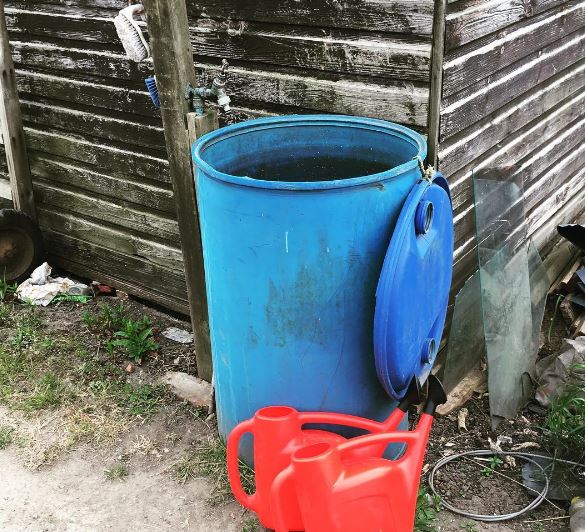
Hosepipes can only be used to fill up water barrels that you have on your plot. That strictly means hosepipes cant be used to direct water plants or land, it is forbidden on site. Anyone caught using a hosepipe other than filling up a water barrel will be in a strict breach of there tenancy agreement .

Thank You

Old Lane Allotments Association. (Blog created by Mark Burton – Site Secretary)

New Stores Opening Times

stores opening times

Dear members

Below are the new opening times for our stores shop.

Monday 9am – 11.30, Tuesday closed, Wednesday 9am – 11.30, Thursday closed, Friday 9am – 11.30, Saturday 9am – 11.30, Sunday 9 – 11am.

Please can we come to stores at the above specified times please. If the stores isn’t open at the above days and times , it will be due to unforeseen circumstances.

Thank You – Mark Burton (Allotment Secretary) For and on behalf of Old Lane Allotments Association

Vegetable Growing – May

Lighter evenings means we get more time on our allotment plots & with temperatures rising in May we should see some really vibrant sunny days.  Watch out there is still a danger of frost even in May which will kill tender young plants. The soil should be warming up now so this is a time for some direct sowing of seeds but remember to stagger them to spread out your Harvests. Remember to harden off young plants this is where you gradually acclimatize the plants to outside temperatures & conditions over a two or three week period.

Continue to sow main-crop peas,  sow sweetcorn directly outside always sow in blocks rather than rows to ensure pollination. Root vegetables can now been sown outside carrots, beetroot, swedes, parsnips & turnips.

Sow outdoors under cover – beetroot, cucumbers, French beans, Runner beans, sweetcorn.

Sow Outdoors – Beetroot, Brussels sprout, Cabbages (Summer), carrots, cauliflower, French beans, kale, lettuce, oriental leaves, lettuce, radish, rocket, runner beans, spring onions,swede, salad leaves, broccoli, Swiss chard, spinach.

Sow Indoors – Cabbages Summer, autumn winter & red, chillies & peppers, pumpkins & winter squash, courgettes, kale, marrows, sprouting broccoli.

Herbs – Succession sow further small batches of seed such as basil, coriander,chervil, dill, parsley, sorrel – may need protecting still with covers or cloches.

You may need to earth up potatoes & keep that hoe going for the continual weeds.

Blog by Mark Burton (Allotment Secretary)

Successional Sowing

SUCCESSIONAL SOWING

Successional sowing

It is easy to freeze are vegetable’s if we have a glut of crops. Fresh vegetable’s however that have been picked a few hours earlier & cooked always taste so much better. So to avoid growing a glut over the growing season we need to have smaller quantities ripening over a period. Say we are going to use a cabbage each week , take a modular seed tray & plant three seeds, label them with the variety & date. While they are developing pot on into three inch pots. Then three weeks later sow another three seeds as your first set of seeds are developing. Continue the process, that way you wont have too many of the same crop all ready at the same time.

This method can be applied to any crop that you have started in pots.

Blog By Mark Burton (Allotment Secretary)

Crop Rotation – Part 2

How To Do Crop Rotation

Divide your allotment into equal sections of equal size (depending on how much of each crop you want to grow), plus an extra section for perennial crops such as rhubarb & asparagus. Brassicas : sprouts, cauliflower, cabbage, kale, kohl-rabbi , oriental greens, turnips, swede & radish. Legumes : Peas, broad beans, French & runner beans suffer from fewer soil problems & can be grown wherever. Onions : onions, garlic, shallot, leek. Potato Family : potato, tomato, (pepper & aubergine suffer from fewer problems & can be grown anywhere in the rotation).  Roots : beetroot, carrot, celeriac, fennel, parsley, parsnip. (& all other root crops except for turnip & swede which are brassicas). Move each section of the plot a step forward each year so that for example : brassicas follow legumes, onions & roots, legumes, onions & roots follow potatoes & potatoes follow brassicas. Below is a typical three rotation where potatoes & brassicas are important crops.

Year one section one : Potatoes  section two : Legumes, onions & roots, section three : brassicas.

Year two section one : Legumes, onions & roots, section two : brassicas, section three : potatoes

Year three section one : brassicas.   section two potatoes, section three : Legumes, onions & roots.

Blog & research By Mark Burton ( Allotment Secretary)

Crop Rotation – Part 1

Crop Rotation

Crop rotation is to grow specific groups of  vegetable’s on a different part of your allotment garden each year. This helps to reduce a build up of pests & diseases & it organises groups of crops according to their cultivation needs.

Benefits of crop rotation

Soil fertility : different crops have different nutrient requirements. Changing crops annualy reduces the chance of a particular soil deficiencies developing as the balance of nutrients removed from the soil evens itself out over time.  Weed control – Some crops like potatoes & squashes with dense foliage or large leaves, suppress weeds, thus reducing maintenance & weed problems in following crops. Pest & disease control : Soil pests & diseases will attack specific plant families over & over again. By rotating crops between sites the pests will decline in the period when their host plants are absent which helps reduce build of spores, eggs, & pests.  Common diseases like club root in brassicas & onion white rot can be avoided.

To be continued – crop rotation part 2 to follow

Blog & research By Mark Burton ( Allotment Secretary)

Slug Pellets – containing the ingredient Ferric Phosphate

Firstly can i apologise for the blog that was published today regarding slug & snail prevention, which might have confused are members. I wanted to clarify the use of slug pellets. Slug pellets that contain the ingredient FERRIC PHOSPHATE are safe to use on our allotments they are also blue in colour & are being sold at garden centres & stores.

Slug pellets containing the ingredient METALDEHYDE that you might have in your sheds & greenhouses now are completely band from use & sale.

Kind Regards Mark Burton (Allotment Secretary)