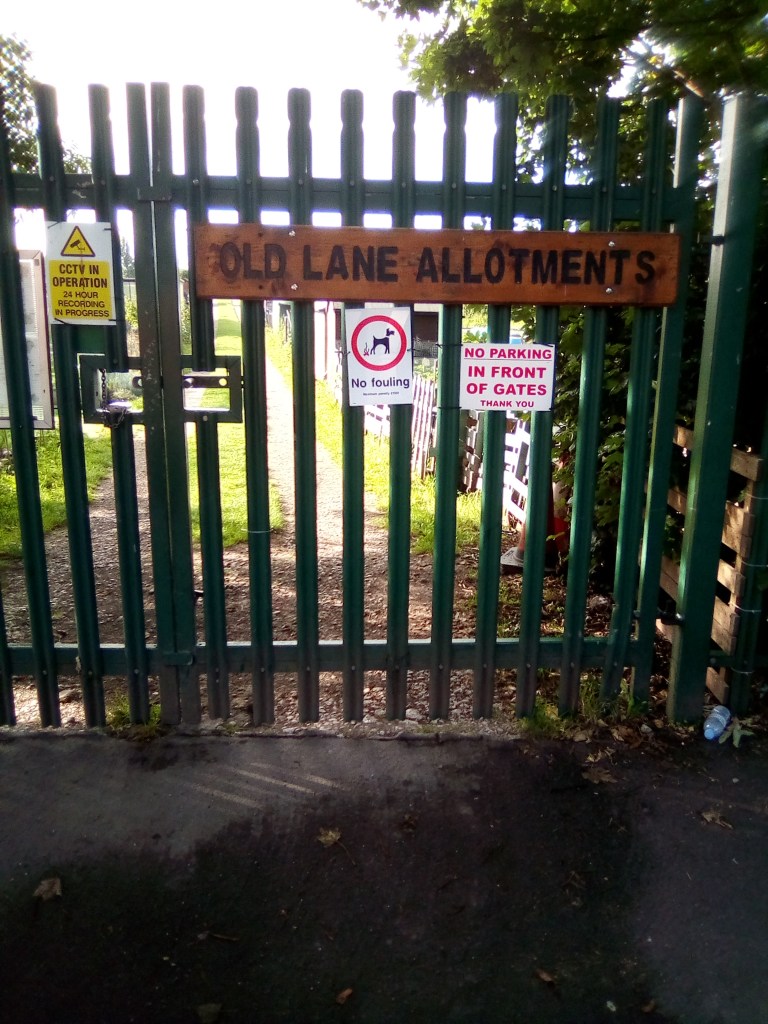
Annual General Meeting

There will be NO Annual General Meeting again this year due to ongoing high Covid infection rates. To pay your plot fees etc will be outlined in your rent statement for the 2022/2023 growing season which starts on the 1st October. We will be distributing statements to members at the end of August early September.

There will be an option to pay on line , we will also be setting up some dates to pay on site in our hut office. Instructions and dates will be included in your rent statements.

Blog created by Mark Burton (Allotment Secretary)

Vegetable Growing – August

August with a bit of luck, brings us the best of the summer weather but being the traditional holiday month,  it can be hard keeping on top of your allotment with a fortnights holiday. Early potatoes should be dug up now, its best to harvest potatoes early in the day rinse them & leave them to dry,  in the sunlight for a day to harden the skins before storage.

Vegetables you can still sow in August

Spring cabbage, Spring onions, radish, beetroot, turnips, Spinach, Swiss chard, carrots, Kale for Winter & Spring cropping, parsley, coriander & chervil can be sown in the greenhouse for growing throughout winter. Plant out summer  Cauliflowers early this month for an Autumn harvest

Stop tomato plants growing now to encourage fruit to swell, keep side shoots in check, you want tomato’s & don’t want a mass of green foliage.   Keep an eye on your brassicas for butterfly eggs & caterpillars. Most of these will be under the leaves in clusters of little yellow/white balls. Pick or wash them off before they develop & dine on your dinner. Turn your compost the warm weather will help break it down, water it if it’s really dry.

Blog by Mark Burton (Allotment Secretary)

Plants Mean Prizes

Just letting members know that we have been judging plots over this growing season the winners & Runners up will be announced in September. Best kept plot 1st prize £35 Second prize £25. Also the best newcomer to the site £35 runner up prize £25.

Old Lane allotments Committee

Weedkillers

There is definitely a divide with gardeners/allotment members when it comes to using weedkillers. Chemicals can be dangerous to the environment including pets and wildlife. If weedkillers are not used properly, it can damage your own crops as well as neighbouring plots on the allotment. The pathways between plots have to be managed & maintained by plot holders, so having good communication with your neighbours is essential. Weedkiller on pathways looks really unsightly . To keep our pathways like a greenspace the best way to do this is to cut the grass with garden shears, otherwise put down weed suppressant over the grass to keep it under control. Weedkiller damage can occur in different ways, from drift when spray is applied during windy conditions. Leaching of residual weedkillers into adjacent beds. Also when the application of weedkiller is exceeded and has penetrated deeper into the soil. If you need to use weed killer as a last resort then glyphosate is acceptable. I think we have a duty to discuss this with neighbouring plot members especially if you want to apply weedkiller to pathways between plots, If you have to use weedkiller follow the instructions on the product label & apply weedkiller at the stated rate. it is a legal requirement to comply with the statutory conditions indicated on the label. Weeds can also be controlled by good cultivation techniques such as hoeing, mulching , digging ,which is a big part of allotment gardening

Blog by Mark Burton (Allotment Secretary

Grow Organic Fertiliser

Grow Organic is a 100% organic fertiliser, it improves soil & breaks clay. I have included some pictures so plot members can read what it can be used for, & what the benefits are. We stock a minimum quantity and the price is £7.50 & would cover  1/2 plot if spread out & dug in. People who use it say it is as good as cow manure without all the hassle of delivery & off course the mess. It can be used for different applications.

All monies taken go towards the up keep of the site.

OLD LANE ALLOTMENTS COMMITTEE

 Blog by Mark Burton (Allotment Secretary)


Carpets /Rugs

Carpets & Rugs

Dear plot members,

Please can you not bring carpets/rugs on the allotments. It states in the Leeds City Council rules & regulations that they shouldn’t be brought on site for health & safety reasons.

They seem to be appearing & they are being used as weed control on plots,which is not allowed. They are also being used on walkways between plots & these become really slippy & hazardous in the bad weather. Health & safety  is everyone’s responsibility. I know some carpets have been on site a long time & have been left by tenants that are no longer members. Bringing them to site is breaching our site rules

Thank You

Old Lane Allotments Association


Wildlife – Temperatures set to soar

With temperatures of 35 degrees forecast for parts of the U.K there is little respite in sight for wildlife wilting in the sun. Don’t forget to top up bird baths and leave very shallow saucers of water for birds and other wildlife at home and on your allotment. As natural water sources dry up we can provide a lifeline for birds and hedgehogs as they can dehydrate in hot temperatures. Food sources for wildlife can be scarce in the blistering heat so make sure we leave out extra food sources for our wildlife.

Blog by Mark Burton (Allotment Secretary)

History Of Allotments – Part 2

The  Second World War

Once again Britain was blockaded and food shortages were normal. The pressure was greater than of the first world war even public parks were pressed into use for food production. The famous “Dig For Victory Campaign” educated the general public to produce there own food & save shipping needed for war Materials. Food rationing kept up the demand for allotments & home grown food.

The Allotment Act 1950

The result of demands for more & more building land saw the re-establishment of the Allotments Advisory Body which in 1949 recommended a scale of provision  of 4 acres per 1,000 head of population. This resulted in the allotment act of 1950.

Current Situation

By 1996 it was stated there were around 297,000 plots vacant and, although definite figures do not appear available there has again been an upsurge in interest of growing food crops. Concerns about genetic modification of foodstuffs, chemical pollution & contamination of our food & the desire for the ultimate in freshness, has seen empty plots filled & waiting lists appear for sites that had previously had high vacancy rates.

Blog & research by Mark Burton (Allotment Secretary)

Photos enhanced by      Mick Cooper  (Plot 12 E )

History Of Allotments


Small Holdings & Allotments Act 1908

The small holdings and Allotment Act 1907 imposed responsibilities on parish, urban district & borough councils to provide allotments & further legislation in 1908 consolidated previous acts & resolved various anomalies.

First World War 1914 – 1918

During the first World War Germanys blockade caused food shortages which increased the demand for allotments. One source of land suitable for allotments but not large enough for general agriculture use was the land owned by railway companies. These strips of land were often allotted to railway workers this is the reason that you will often see allotments by railway lines today. Following the First World War there was a decrease in a demand for allotments and this, combined with increased demand for building land for housing reduced the number of allotments.

Blog & Research Mark Burton (Allotment Secretary) 

Photos enhanced by Mick Cooper (Plot 12E)


History of Allotments – To be continued …..

Vegetable Growing – July

July is one of the driest months so a lot of time may be spent watering your plot. Although the hectic sowing of the first part of the year is past, there are still things to sow, plant, and happily harvest. Those early potatoes should be coming out of the ground by the end of this month, and although they do not store as long as main crop varieties they will store before you finish eating them.

Leeks – Finish transplanting or “dibbing in” leeks raised in pots, modules, or temporary seed beds. They should be in their final position this month. If you have too many to transplant cut them up & put them in a stir fry instead of spring onions.

Peas & French Beans – This is your last chance for sowing or planting out peas & beans. any later the pods are unlikely to develop in time.

Root Vegetables – Sow your last batch of beetroot now. Late carrot & turnip varieties can still go in at the end of this month.

Other crops you can still sow – Radish, spring onion, Kale, Chinese cabbage, Lettuce, Spring cabbage, last chance to plant out any Brussels sprouts, winter cabbage, autumn cauliflowers you have been growing from seed.

Don’t forget to keep your onions weed free, summer thinning can be now done on apple, pear, plum trees etc. Keep the hoe in your hand & keep on top of those weeds.

Blog By Mark Burton (Allotment Secretary)