
The Development Of The Allotment
- AD410 in the Saxon times, communities cleared land together, sharing out ‘allotted land’ areas between themselves.
- 1066 Following the Norman conquest , land ownership was confined to lords of the manor & the church.
- 1600 During the reign of Elizabeth the first the first evidence of allotments is made, as land is given to the poor to compensate them for the enclosure of common land.
- 1845 The general enclosure act included a requirement to provide land for allotments where common ground was enclosed.
- 1887 The allotments & cottage gardens for compensation for crops act obliged local authorities to provide allotments, if there was a required demand.
- 1907 the small holdings & allotment act clarified the responsibilities of local authorities to provide allotments.
- 1914 Germanys blockade during the first world war led to an increased demand for allotments , although after the war it fell again.
- 1939 The second world war , and its ‘DIG FOR VICTORY’ campaign brought allotments & gardening to the forefront of British life. The amount of allotments in the British Isles peaked at 1.5 million.
- 1960 Disuse & development led to a decrease in allotments that were available.
Blog & Research by Mark Burton (Allotment Secretary)
To be Continued ……


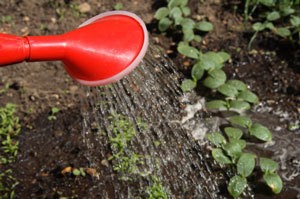 With the arrival of Summer this brings rapid growth for our plants, with warmer days & settled weather comes the inevitable pressure to keep are plants hydrated & happy. If your not careful, hot sunny weather can make you a slave to the watering can – so its time to become water wise on the allotment. Many gardeners more often than necessary, which encourages plants to produce shallow roots which will make them ever dependant on water. Encourage deeper roots by watering less often, so roots draw on the moisture found further down in the soil. A thorough soaking once a week is better than a sprinkling every couple of days. In hot weather prioritise seedlings rather than established plants as they need more water to establish there root systems. Some plants require extra water at crucial stages of development for example peas, tomatoes, squashes & cucumbers as they come into flower & produce there pods or fruit. Plants such as climbing beans will need to draw a lot of moisture from the soil, so will need a lot more water than other plants.


