Lemon Tree Trust – Gardener to Gardener seed appeal.

Seed Appeal

Dear Gardeners

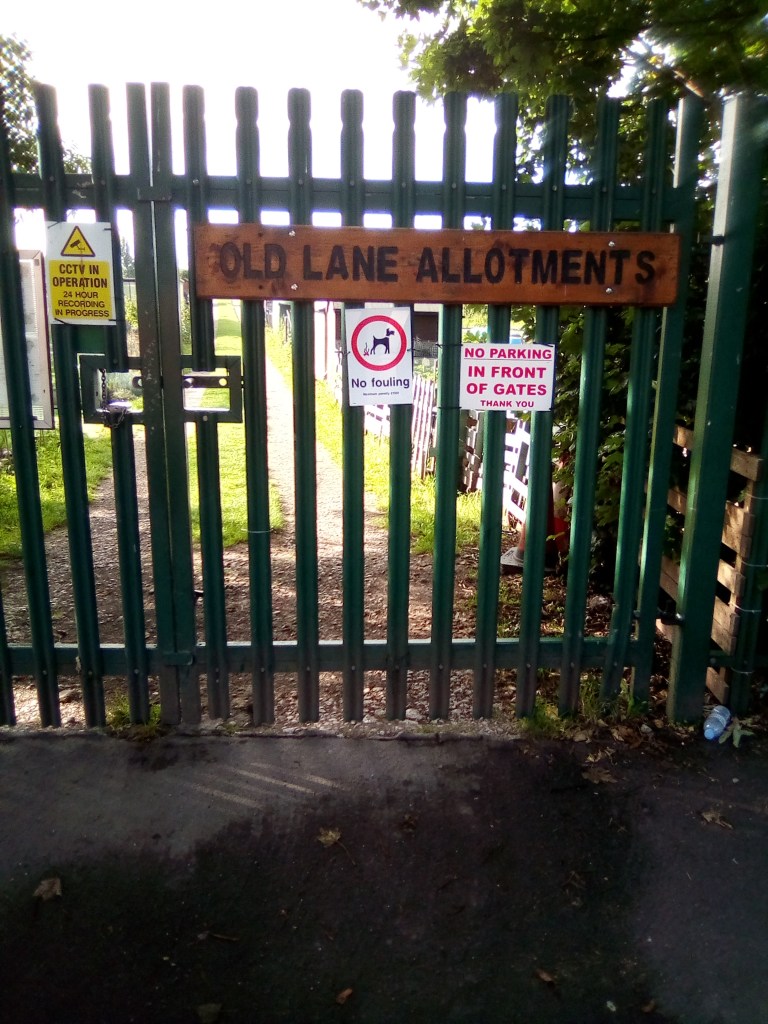
If you have any seeds you know longer want full packets or part packets The Lemon Tree Trust want our help. They send the unwanted seeds to support families living in refugee & IDP camps during the Covid – 19 crisis. Growing food & flowers at home gives people hope, & seeds are in short supply. Lucy Moore approached me on plot 37N & explained to me about the seed appeal. I thought what a fantastic idea we as gardeners usually always have unwanted seeds,  & to send them to other countries for them to grow there own vegetables & flowers it occurred to me that our site would want to help. There is a poster on both entrance gates, if you have any seeds you want to donate please give them to Mark Burton or Lucy/Richard on plot 37 N.

Information supplied by Lucy Moore– Blog created by Mark Burton

History Of Allotments – Part 2

The  Second World War

Once again Britain was blockaded and food shortages were normal. The pressure was greater than of the first world war even public parks were pressed into use for food production. The famous “Dig For Victory Campaign” educated the general public to produce there own food & save shipping needed for war Materials. Food rationing kept up the demand for allotments & home grown food.

The Allotment Act 1950

The result of demands for more & more building land saw the re-establishment of the Allotments Advisory Body which in 1949 recommended a scale of provision  of 4 acres per 1,000 head of population. This resulted in the allotment act of 1950.

Current Situation

By 1996 it was stated there were around 297,000 plots vacant and, although definite figures do not appear available there has again been an upsurge in interest of growing food crops. Concerns about genetic modification of foodstuffs, chemical pollution & contamination of our food & the desire for the ultimate in freshness, has seen empty plots filled & waiting lists appear for sites that had previously had high vacancy rates.

Blog & research by Mark Burton (Allotment Secretary)

Photos enhanced by      Mick Cooper  (Plot 12 E )

History Of Allotments

Small Holdings & Allotments Act 1908

The small holdings and Allotment Act 1907 imposed responsibilities on parish, urban district & borough councils to provide allotments & further legislation in 1908 consolidated previous acts & resolved various anomalies.

First World War 1914 – 1918

During the first World War Germanys blockade caused food shortages which increased the demand for allotments. One source of land suitable for allotments but not large enough for general agriculture use was the land owned by railway companies. These strips of land were often allotted to railway workers this is the reason that you will often see allotments by railway lines today. Following the First World War there was a decrease in a demand for allotments and this, combined with increased demand for building land for housing reduced the number of allotments.

Blog & Research Mark Burton (Allotment Secretary) 

Photos enhanced by Mick Cooper (Plot 12E)

History of Allotments – To be continued …..

Weedkillers

There is definitely a divide with gardeners/allotment members when it comes to using weedkillers. Chemicals can be dangerous to the environment including pets and wildlife. If weedkillers are not used properly, it can damage your own crops as well as neighbouring plots on the allotment. The pathways between plots have to be managed & maintained by plot holders, so having good communication with your neighbours is essential. Weedkiller on pathways looks really unsightly . To keep our pathways like a greenspace the best way to do this is to cut the grass with garden shears, otherwise put down weed suppressant over the grass to keep it under control. Weedkiller damage can occur in different ways, from drift when spray is applied during windy conditions. Leaching of residual weedkillers into adjacent beds. Also when the application of weedkiller is exceeded and has penetrated deeper into the soil. If you need to use weed killer as a last resort then glyphosate is acceptable. I think we have a duty to discuss this with neighbouring plot members especially if you want to apply weedkiller to pathways between plots, If you have to use weedkiller follow the instructions on the product label & apply weedkiller at the stated rate. it is a legal requirement to comply with the statutory conditions indicated on the label. Weeds can also be controlled by good cultivation techniques such as hoeing, mulching , digging ,which is a big part of allotment gardening

Blog by Mark Burton (Allotment Secretary

Hosepipes

Hosepipes can only be used to fill up water barrels that you have on your plot. That strictly means hosepipes cant be used to direct water plants or land, it is forbidden on site. Anyone caught using a hosepipe other than filling up a water barrel will be in a strict breach of there tenancy agreement .

Thank You

Old Lane Allotments Association. (Blog created by Mark Burton – Site Secretary)

Garden Shears

We have  2 x sets of garden shears with extendable handles for trimming the grass  round the sides of your plot. We will loan them out to plot members on request all you need to do is ask a member of the committee. Pathways between plots are the responsibility of plot holders & part of allotment gardening, it is also written in our constitution of rules as part of plot maintenance.

Blog Created by Mark Burton (Allotment Secretary) For & On behalf of Old Lane Allotments Association

Egton Bridge Old Gooseberry Show

Lucy who is on plot 37N went to the Old Egton Bridge Gooseberry show which is a small village near whitby. The show has been ongoing for 200 years. People compete to grow the heaviest gooseberry in a variety of catergories. For example heaviest red gooseberry, or heaviest twins where two are attatched to the stalk. Thanks Lucy for sending in the photos and the information. Really fascinating !!!!!!

Blog created by Mark Burton (Allotment Secretary) Photos and info from Lucy Moore

Hedgehogs

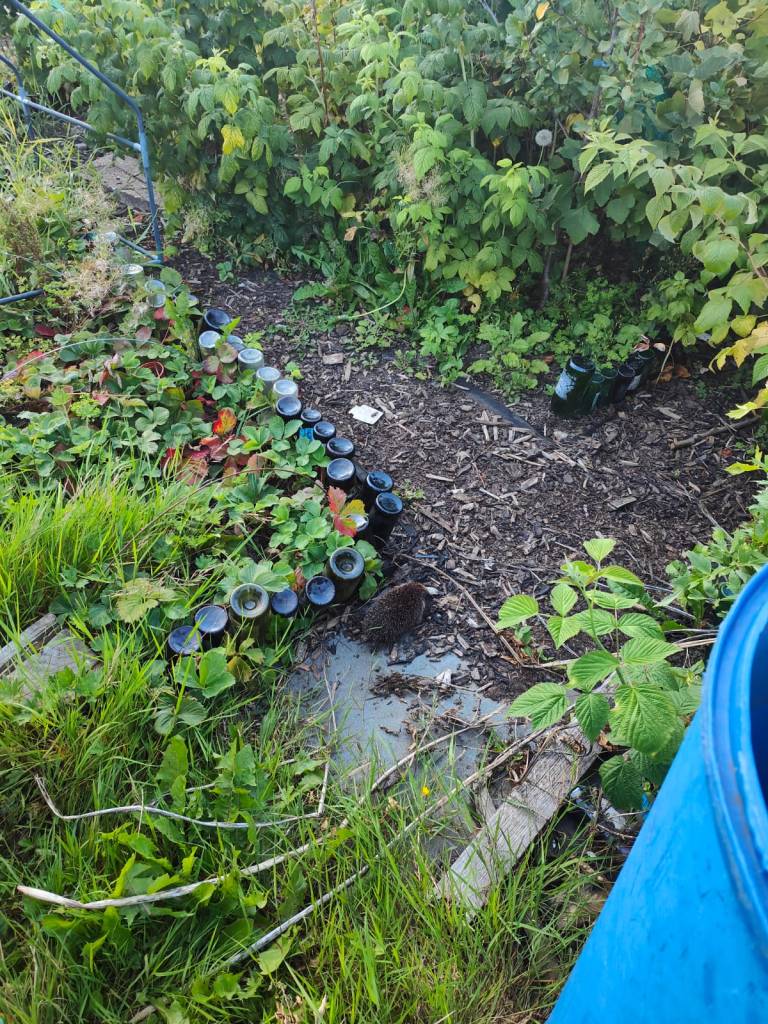
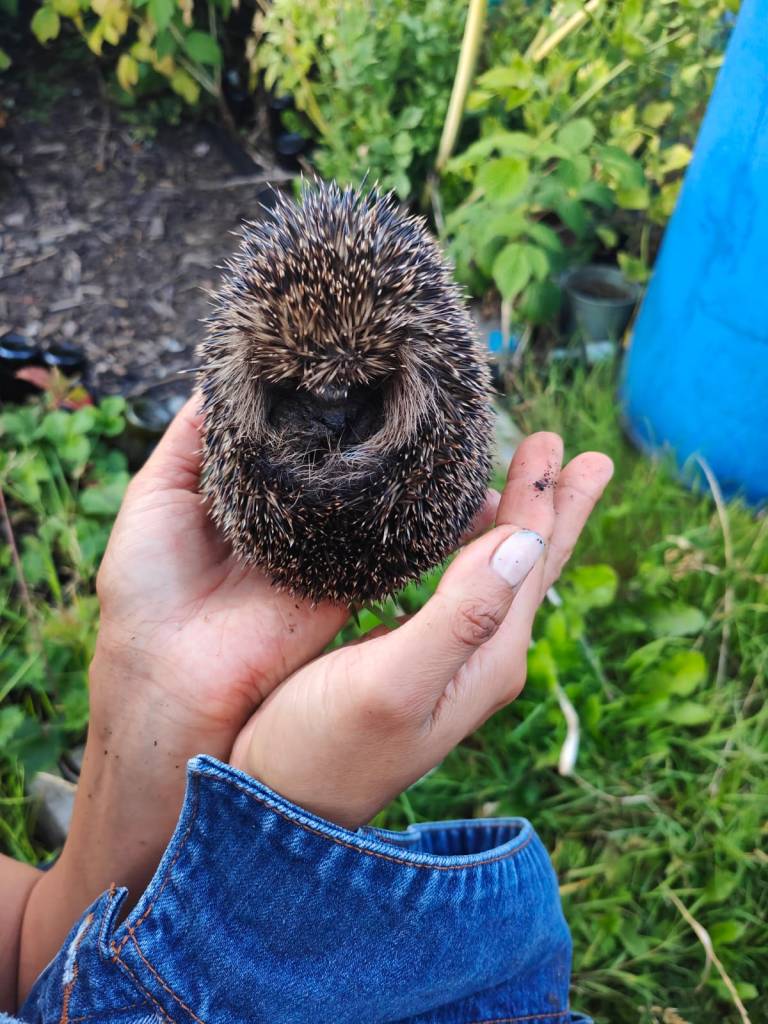
We have hedgehogs on site which is lovely to see. Jelena and Irena spotted this one on there plot. Can we be extra vigilant when cutting long grass etc that we dont hurt them, as there population is decreasing.

Blog created by Mark Burton (Allotment Secretary) Pictures sent in by Jelena and Irena

Fertilisers & Soil improvers ( N:P:K )

An Introduction to N:P:K

During the growing season plants absorb important nutrients & minerals from the soil, these need to be replaced if your plot is to maintain a high level of productivity. Most general purpose fertilisers have an N:P:K rating which relates to the three main elements needed for healthy plant growth. The higher the rating the more of that element exists within the fertiliser.

Nitrogen ( N )

Supports the growth of vegetable parts of plants, leaves & stems. Leafy vegetable’s  such as spinach, cabbage, lettuce, have a high nitrogen requirement. Lack of nitrogen causes poor, stunted growth with spindly stems with yellow & discoloured leaves. Nitrogen washes out of the soil so feeds need to be applied over the growing season.

Phosphorus ( P )

Stimulates seed germination & root development, increases stem strength & improves flower formation. Root vegetable’s need plenty of phosphorus to aid development. Lack of phosphorus causes poor, stunted growth, plants produce little or no flowers with a weak root system.

Potassium ( K )

Essential for flower & fruit development, also improves drought pest & disease resistance. Often referred to a “quality element” because of the importance to many of the features associated with quality, such as shape, size colour, & taste. Potatoes, fruit, & tomatoes need a high yield of potassium to crop well. Plants low in potassium are stunted in growth & provide lower yields. Excessive levels of potassium can lead to magnesium & calcium deficiencies. Minerals & also trace elements are important for good plant health, over time with each & every harvest, the soil is depleted of these vital ingredients & they also need replacing.

Blog & Research By Mark Burton (Allotment Secretary)